Last update: January 22, 2025
7 minute read
High-Intensity Interval Training (HIIT)
Looking to boost your fitness? Learn the benefits and beginner routines of HIIT for a healthier lifestyle.

By Derick Rodriguez, Associate Editor
Edited by Dr. Dimitar Marinov, MD, RDN, PhD
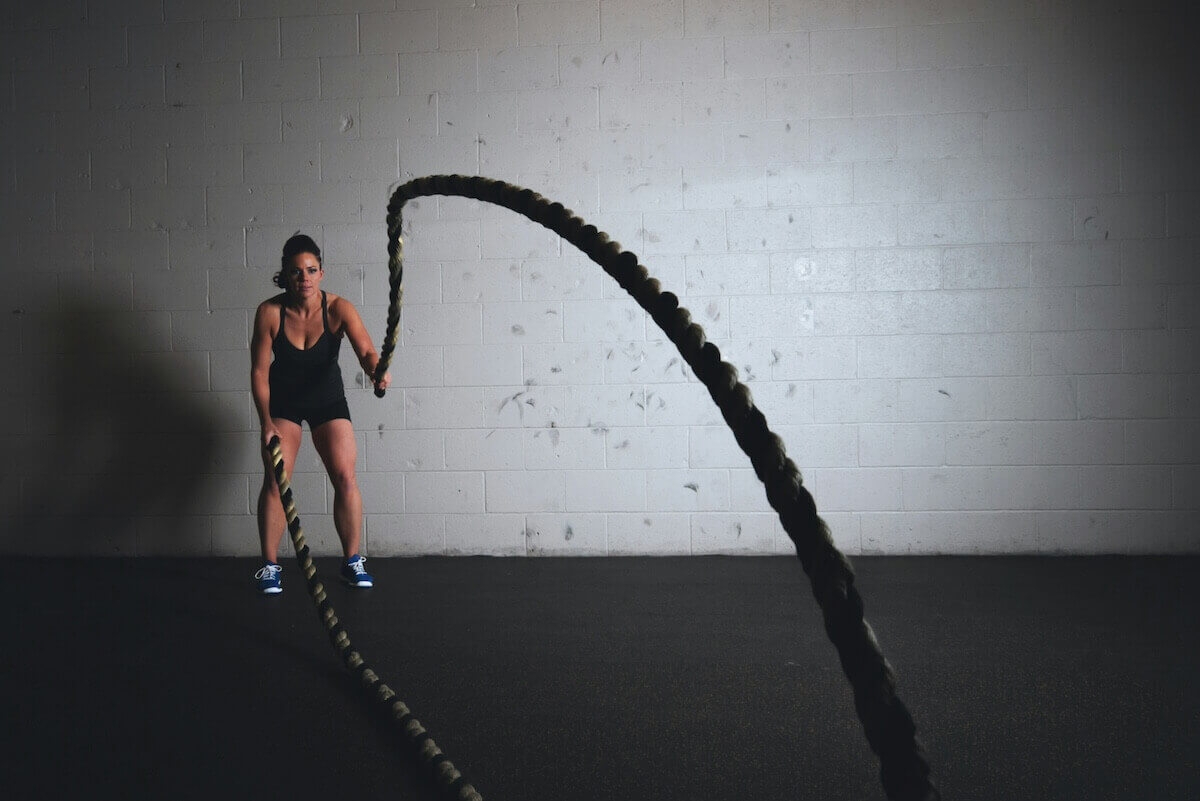
In the fitness world, people often argue about which is better: High-Intensity Interval Training (HIIT) or traditional exercises. It's essential to understand the differences between them to choose what's best for you. This post will explore the benefits of HIIT and give you beginner routines to get you started.
Key takeaways
- HIIT boosts metabolism and fat loss just as effectively as steady-state cardio while taking much less time
- Customization and consistency are crucial for safely adding HIIT to your fitness routine
- High-intensity workouts help both your body and mind feel better
What is high-intensity interval training?
High-intensity interval training (HIIT) combines short bursts of intense exercise with periods of rest or lower-intensity exercise. This training style maximizes your workout efficiency by pushing your body to its limits in a short amount of time.
Why choose HIIT?
- Boosts metabolism: Adding HIIT to your routine can increase your metabolic rate for hours after exercise.
- Fat loss: Studies show that HIIT can reduce body fat as effectively as traditional exercises.
- Improves cardiovascular health: HIIT may enhance heart health by improving blood pressure and heart rate.
- Time-efficient: Ideal for busy schedules, you can complete HIIT workouts in 30 minutes or less - sometimes as little as 10 minutes can be enough.
Essential tips for beginners
- Start slow: Gradually increase intensity to avoid injury.
- Listen to your body: Rest if you feel overly tired or in pain.
- Consistency is key: Regularly perform HIIT workouts for best results.
- Warm-up and cool-down: Include a 5-minute warm-up in your routine.
Beginner HIIT routines to try
The 10-minute quick blast:
- 30 seconds of high-knee running in place.
- 30 seconds of rest.
- Repeat for 10 minutes.
The 20-minute circuit:
- 45 seconds of burpees.
- 15 seconds rest.
- 45 seconds of jumping jacks.
- 15 seconds rest.
- Repeat circuit 4 times.
The bodyweight challenge:
- 1-minute push-ups.
- 1-minute rest.
- 1-minute squats.
- 1-minute rest.
- Repeat 3 times.
Health made easy: your go-to resource for essential vitamins and supplements

Supplements to support your HIIT performance
Adding certain supplements may help you maximize your HIIT routine. Consider exploring the benefits of adaptogens for stress management, antioxidants for recovery, and caffeine for an energy boost before workouts. Check out the detailed thoughts on antioxidants, adaptogens, and more to improve your nutrition alongside your HIIT journey:
- For recovery and managing workout-induced stress, learn more about ashwagandha's benefits.
- Understand how probiotics can support gut health, vital for overall wellness and recovery.
- Discover the role of turmeric in inflammation and muscle recovery.
VitaRx Tip
By combining HIIT with the right blend of supplements, you may optimize your performance and recovery, ensuring that you’re working smarter and supporting your body's needs.
Keeping motivated and tracking progress
- Set clear, achievable goals.
- Track your workouts and progress.
- Celebrate milestones, no matter how small.
- Find a workout buddy or join a virtual fitness community.
Personalizing your HIIT experience is important
Tailoring HIIT to fit your individual needs is important. Everyone's fitness level, goals, and health conditions vary.
That’s why, making a customizable approach to HIIT is crucial. Whether you're a seasoned athlete or someone looking to jumpstart their fitness journey, the adaptability of HIIT workouts helps fit your specific needs.
Choosing the right intensity
Your exercise should match how fit you are. If you're just starting out, do easier activities and shorter bursts of moderate to high-intensity exercises.
You can perform more intense workouts as you get stronger and last longer. Monitoring your heart rate can help you know if you're exercising at the right level.
Scheduling workouts
Consistency over intensity will give you better results. 3-4 sessions per week are great for many, but you should choose based on what fits your schedule and how much rest your body needs.
Rest days are key
Adding days for rest and recovery is also crucial because your body gets the chance to repair itself and get stronger.
Understanding the risks
HIIT, like any exercise program, comes with its set of risks and considerations. Awareness and precaution are key to a safe HIIT routine.
Common injuries
The most common injuries in HIIT include strains and sprains, particularly in the knees and ankles, due to the high-impact nature of many exercises. Proper form, appropriate footwear, and pre-workout warm-ups may reduce injury risk.
Who should avoid HIIT?
People with cardiovascular issues, joint problems, or those recovering from surgery should consult healthcare providers before starting a HIIT program. Alternatives or modified exercises might be recommended to make sure safety and health aren’t compromised.
Enhancing performance and recovery
Nutrition and supplementation play vital roles in maximizing the benefits of HIIT and ensuring quick, efficient recovery.
Pre and post-workout nutrition
Eating a balanced meal with proteins and carbohydrates about 2 hours before a workout can fuel your session. After your workout, focus on recovery by consuming protein to support muscle repair and carbohydrates to recover your glycogen stores.
Supplementing wisely
Adding supplements like whey protein or omega-3 fatty acids can support muscle recovery and reduce inflammation. Always choose supplements based on personal health needs and after consulting a professional. For detailed suggestions tailored to your needs, our personalized assessment can guide you in the right direction.
Aspect | Details |
|---|---|
Workout duration | 20-30 minutes |
Sessions per week | 3-4 |
Calories burned (avg) | 250-400 per 30 minutes |
Improved metrics | Endurance, strength, fat loss |
Common injuries | Knees, ankles |
Frequently asked questions (FAQ)
Here are some of the most frequently asked questions about high-intensity interval training (HIIT).
When comparing HIIT to steady-state cardio, the main difference lies in the intensity and duration of the workouts. Steady-state cardio, like running or cycling at a consistent speed, typically lasts longer (usually over 30 minutes) and aims to maintain a target heart rate zone.
HIIT, on the other hand, is about short, intense bursts of exercise followed by rest periods, making workouts shorter but more intense. Research suggests that HIIT can lead to similar improvements in cardiovascular fitness and fat loss compared to steady-state cardio, even though it takes much less time to perform. That is thanks to the afterburn effect, also known as Excess Post-Exercise Oxygen Consumption (EPOC), where your body continues to burn calories after the workout.
No, you don’t need equipment for HIIT workouts. Many HIIT routines can be effectively performed using just your body weight. Exercises that offer intense workouts without equipment include:
- Jumping jacks
- High knees
- Burpees
- Mountain climbers
You can change your exercise routine using equipment like dumbbells, resistance bands, or a jump rope. This helps you work different muscles in your body. HIIT workouts can be done almost anywhere, like at home, outside, or in a gym.
Preventing burnout from HIIT involves listening to your body and adding variety to your fitness routine. Take breaks between high-intensity workouts and switch to different activities like:
- Yoga
- Pilates
- Regular cardio.
Setting realistic goals and gradually increasing the intensity of workouts can also help manage expectations and motivation. To stay focused and maintain endurance:
- Drink plenty of water
- Eat a well-balanced diet,
- Try relaxing techniques like mindfulness to stay focused
Yes, HIIT has been linked to improvements in mental health, with studies indicating that high-intensity training can reduce symptoms of depression and anxiety similarly to traditional exercise methods. The mix of physical exertion and the resulting endorphin release may contribute to this effect.
Engaging in regular HIIT sessions may also boost self-esteem and brain function, making it a powerful tool for enhancing overall mental well-being. For a holistic approach to mental health, exploring the role of adaptogens alongside physical exercise can offer more benefits.
How quickly you see changes from HIIT workouts depends on factors like consistency, workout intensity, and dietary habits. Most people start to notice improvements in their endurance and strength within a few weeks of starting.
You'll start seeing big changes in body composition, including fat loss and muscle definition, after about 8 to 12 weeks of consistent HIIT workouts, paired with proper nutrition and recovery. It's important to track progress by physical appearance and improvements in workout performance and overall fitness level.
When comparing HIIT to steady-state cardio, the main difference lies in the intensity and duration of the workouts. Steady-state cardio, like running or cycling at a consistent speed, typically lasts longer (usually over 30 minutes) and aims to maintain a target heart rate zone.
HIIT, on the other hand, is about short, intense bursts of exercise followed by rest periods, making workouts shorter but more intense. Research suggests that HIIT can lead to similar improvements in cardiovascular fitness and fat loss compared to steady-state cardio, even though it takes much less time to perform. That is thanks to the afterburn effect, also known as Excess Post-Exercise Oxygen Consumption (EPOC), where your body continues to burn calories after the workout.
Yes, HIIT has been linked to improvements in mental health, with studies indicating that high-intensity training can reduce symptoms of depression and anxiety similarly to traditional exercise methods. The mix of physical exertion and the resulting endorphin release may contribute to this effect.
Engaging in regular HIIT sessions may also boost self-esteem and brain function, making it a powerful tool for enhancing overall mental well-being. For a holistic approach to mental health, exploring the role of adaptogens alongside physical exercise can offer more benefits.
No, you don’t need equipment for HIIT workouts. Many HIIT routines can be effectively performed using just your body weight. Exercises that offer intense workouts without equipment include:
- Jumping jacks
- High knees
- Burpees
- Mountain climbers
You can change your exercise routine using equipment like dumbbells, resistance bands, or a jump rope. This helps you work different muscles in your body. HIIT workouts can be done almost anywhere, like at home, outside, or in a gym.
How quickly you see changes from HIIT workouts depends on factors like consistency, workout intensity, and dietary habits. Most people start to notice improvements in their endurance and strength within a few weeks of starting.
You'll start seeing big changes in body composition, including fat loss and muscle definition, after about 8 to 12 weeks of consistent HIIT workouts, paired with proper nutrition and recovery. It's important to track progress by physical appearance and improvements in workout performance and overall fitness level.
Preventing burnout from HIIT involves listening to your body and adding variety to your fitness routine. Take breaks between high-intensity workouts and switch to different activities like:
- Yoga
- Pilates
- Regular cardio.
Setting realistic goals and gradually increasing the intensity of workouts can also help manage expectations and motivation. To stay focused and maintain endurance:
- Drink plenty of water
- Eat a well-balanced diet,
- Try relaxing techniques like mindfulness to stay focused
Final thoughts
High-Intensity Interval Training (HIIT) is a tough but effective way to improve fitness for many people. It can benefit your heart, help manage weight, and boost mental well-being.
When doing HIIT workouts, listen to your body and change up exercises. Eating well and getting enough rest are crucial for good results and avoiding burnout. Consider exploring the role of adaptogens for extra support in boosting performance and recovery.
Sources and references
- Slow and Steady, or Hard and Fast? A Systematic Review and Meta-Analysis of Studies Comparing Body Composition Changes between Interval Training and Moderate Intensity Continuous Training - PMC
- The Effects of High Intensity Interval Training vs Steady State Training on Aerobic and Anaerobic Capacity
- High-intensity interval training for health benefits and care of cardiac diseases - The key to an efficient exercise protocol
- Does warming up prevent injury in sport: the evidence from randomised controlled trials?
- What Should I Eat before Exercise? Pre-Exercise Nutrition and the Response to Endurance Exercise: Current Prospective and Future Directions - PMC
- Pre- versus post-exercise protein intake has similar effects on muscular adaptations - PMC
- Efficacy of high-intensity interval training for improving mental health and health-related quality of life in women with polycystic ovary syndrome - PMC
Editor
Derick Rodriguez
Derick Rodriguez focuses on editing health and wellness-related content. With over half a decade of experience in the digital realm, Derick has developed a unique skill set that bridges the gap between complex health concepts and accessible, user-friendly communication. His approach is deeply rooted in leveraging personal experiences and insights to illuminate the nuances of health and wellness topics, making them more approachable and empowering readers with knowledge and confidence.
Fact checker

Dr. Dimitar Marinov
Dr. Marinov has years of experience in scientific research and preventive and clinical medicine. His publications in peer-reviewed journals are on nutritional status, physical activity, and musculoskeletal disorders among adolescents.
At VitaRx, we're not just passionate about our work — we take immense pride in it. Our dedicated team of writers diligently follows strict editorial standards, ensuring that every piece of content we publish is accurate, current, and highly valuable. We don't just strive for quality; we aim for excellence.
Related posts
While you're at it, here are some other relevant articles you might be interested in.

Get your personalized vitamin recommendations in less than
5 minutes.
Get your personalized vitamin recommendations in less than
5 minutes.