Last update: December 25, 2024
Turmeric: The Complete Guide
Discover the potential health benefits, proper dosage, and safety considerations of turmeric supplements in our complete guide. Learn how this ancient spice may support wellness and find the best turmeric supplement for your needs.

By Derick Rodriguez, Associate Editor
Edited by Dr. Dimitar Marinov, MD, RDN, PhD
Key takeaways
- Turmeric, enriched with the active compound curcumin, exhibits potent anti-inflammatory effects and is packed with antioxidants, offering potential health benefits.
- Turmerics absorption may be enhance by pairing it with black pepper.
- Integrating turmeric into a balanced routine may contribute to a healthier lifestyle.
What is turmeric?
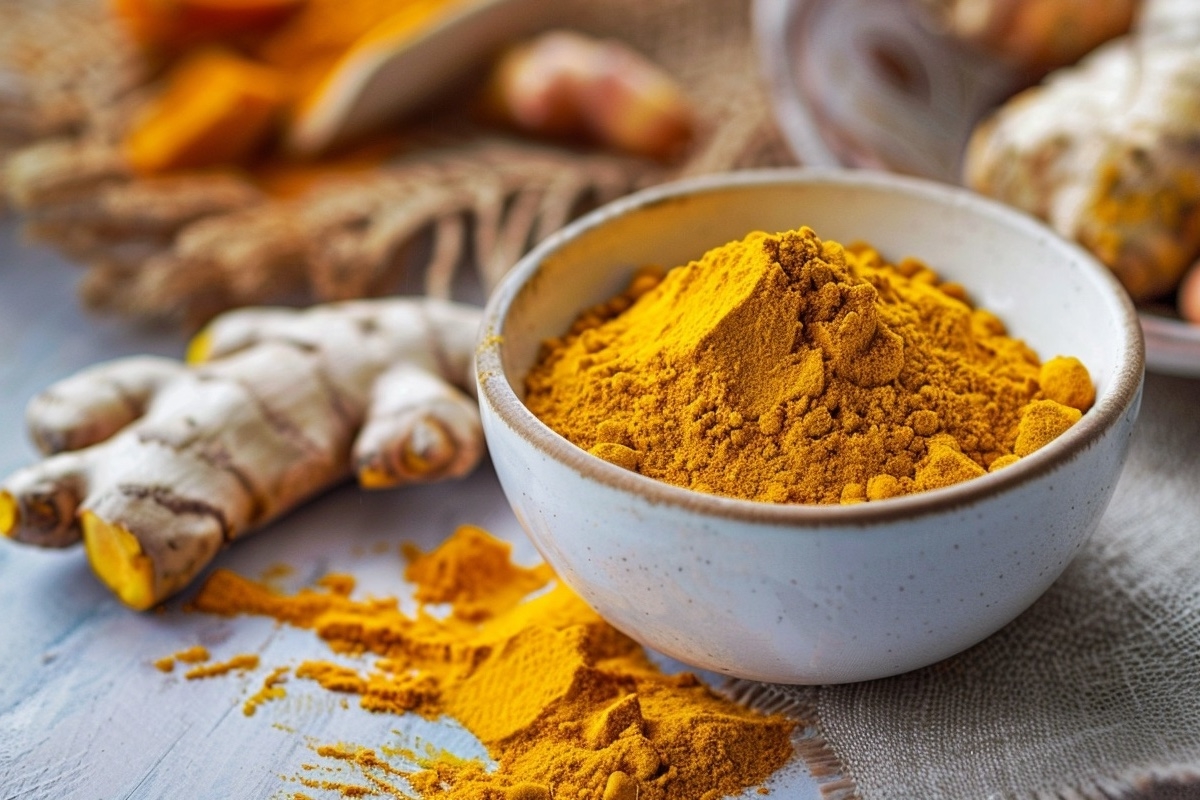
Turmeric is a vibrant, golden-colored spice derived from the rhizomes of a perennial herbaceous plant in the ginger family, Zingiberaceae. Native to the Indian subcontinent and Southeast Asia, turmeric has been a staple in traditional Indian cuisine and Ayurvedic medicine for centuries.
The plant's rhizomes are boiled, dried, and ground into a fine powder that boasts a warm, slightly bitter taste and a mustard-like aroma. This distinctive flavor and color, attributed to the active compound curcumin, make turmeric a key ingredient in many Asian dishes.
Turmeric has many uses
Beyond its culinary and medicinal uses, turmeric has a rich history as a natural fabric dye. Additionally, it's sometimes used in traditional Hindu weddings where it is applied to the bride and groom's skin as a blessing and to promote a radiant complexion.
Beyond its culinary uses, turmeric is renowned for its medicinal properties. Curcumin, a potent polyphenol, acts as a powerful antioxidant, anti-inflammatory, and antimicrobial agent. It promotes overall wellness by protecting cells from damage caused by environmental factors and supporting the body's natural balance.
The versatility of turmeric extends from the kitchen to traditional medicine, cementing its status as a spice with a rich history and numerous health benefits. Its unique combination of flavor, color, and medicinal properties makes it a valuable addition to both culinary and wellness practices around the world.
Where is turmeric found?
The turmeric plant thrives in the ideal tropical climate, characterized by heavy rainfall and abundant sunlight, which provides the perfect conditions for its cultivation. Today, it's primarily grown in several Asian countries, including:
- India: The largest producer, consumer, and exporter of turmeric worldwide. India has a long history of turmeric cultivation, with the spice being an essential part of the country's cuisine, traditional medicine, and cultural heritage.
- Bangladesh: The second-largest producer of turmeric. Turmeric is widely grown in the hilly regions of Bangladesh.
- China: China has expanded its turmeric cultivation in recent years to meet the growing demand for the spice in the food, beverage, and pharmaceutical industries.
- Thailand: In Thailand, turmeric is a key ingredient in many traditional dishes and is also used in traditional medicine and cosmetics.
Turmeric is also grown on a smaller scale in other tropical regions, such as the Caribbean islands, South America, the Pacific Islands, and Africa. Additionally, Due to the increasing global demand for turmeric, its cultivation has expanded to non-traditional growing regions, such as the United States (primarily in Hawaii) and Australia.
How does turmeric work in your body?
- Upon ingestion, turmeric's active ingredients, such as curcumin, begin to be metabolized in the digestive system.
- In the stomach and small intestine, enzymes break down turmeric components, preparing them for absorption.
- The small intestine plays a crucial role in the absorption of curcumin into the bloodstream.
- Once absorbed, curcumin exhibits an affinity for proteins, especially within the blood plasma, which influences its distribution across various body systems.
- The liver further metabolizes curcumin, leading to structural changes that affect its bioavailability and function.
- Curcumin interacts with cellular structures, affecting gene expression and signaling pathways, which can influence health and disease mechanisms.
- After its metabolic processes, curcumin is primarily expelled from the body through feces, with a lesser amount being eliminated via urine.
- The kidneys play a role in filtering and excreting waste products, including the byproducts of curcumin metabolism.
What are some benefits of turmeric?
Turmeric holds various properties that may contribute to overall well-being.
Reduces inflammation
Turmeric's active compound, curcumin, exhibits anti-inflammatory properties, modulating cytokines and enzymes, potentially contributing to reduced inflammation [3].
Supports antioxidant activity
Curcumin's antioxidant effects involve neutralizing free radicals, potentially reducing oxidative stress, and supporting overall cellular health [4].
Facilitates better joint health
Studies suggest that turmeric's anti-inflammatory properties may help modify proinflammatory cells, offering potential pain relief for people with inflammatory conditions [5].
Aids mental well-being
Turmeric may show promise in supporting mental health, with some studies indicating potential benefits for people dealing with symptoms of stress and anxiety [7].
Contributes to healthy kidney function
Some studies suggest that turmeric supplements may support improvements in kidney function for people with type 2 diabetes and end-stage renal disease [8].
Delivery methods
Turmeric supplements come in various delivery methods, each offering its own set of benefits and ways of consumption. Here's a brief overview of the different delivery methods:
Capsules are a convenient and easy-to-swallow delivery method for supplements that provide a pre-measured dose. They are particularly beneficial for individuals who may not enjoy the taste of the supplement in its natural form or when taken as a powder or liquid. Capsules are also portable and discreet, making them easy to take while traveling or on the go.
One of the main advantages of capsules is that they eliminate the need for measuring doses, which can be time-consuming and may lead to inconsistencies in dosage. The pre-measured nature of capsules ensures that the individual takes the same amount each time, making it easier to monitor and maintain a consistent supplementation routine.
Tablets are a convenient and easy-to-swallow form of supplement that offers a pre-measured dose. They eliminate the need for measuring, making them ideal for those who find measuring doses inconvenient. Tablets are also portable and discreet, allowing for easy consumption on the go.
One of the main benefits of tablets is their ease of use. They can be quickly swallowed with water, making them a simple and efficient way to incorporate supplements into a daily routine.
Soft gels are a type of capsule that contains a liquid form of the vitamin or supplement. They are easy to swallow and provide a pre-measured dose. Soft gels are known for their fast absorption rate, as the liquid content is quickly released and absorbed by the body.
This delivery method is particularly beneficial for individuals who have difficulty absorbing nutrients from traditional pills. Soft gels are also easy to digest and gentle on the stomach, making them a good choice for those with sensitive digestive systems. However, it's important to store soft gels properly, as they are more susceptible to degradation from heat and light compared to other delivery methods.
Chewable supplements are a convenient and enjoyable delivery method, particularly for those who have difficulty swallowing pills. They come in various flavors, making them more palatable and easier to consume. Chewables are often formulated to provide a pre-measured dose, ensuring consistent intake.
Chewable supplements are a good option for children or adults who prefer a tasty alternative to traditional pills. However, some chewable supplements may contain added sugars or artificial flavors, so it's essential to read the ingredient list carefully and choose a reputable brand.
Powdered vitamins and supplements offer versatility in consumption. They can be easily mixed into various beverages or foods, such as smoothies, juices, or yogurt, allowing for customization based on individual taste preferences. Powders are often more economical compared to other delivery methods, as they typically provide a larger number of servings per container.
They also allow for flexible dosing, enabling individuals to adjust the amount consumed according to their needs or as directed by a healthcare professional.
However, measuring the correct dose of powdered supplements requires the use of a scoop or scale, which may be less convenient compared to pre-measured options like tablets or capsules.
Liquid extracts are a concentrated form of a supplement that offer fast absorption and flexible dosing. The liquid form allows for quick absorption into the bloodstream, potentially leading to faster effects compared to capsules or tablets. The dropper enables precise dosage adjustments, making it easier to tailor the amount consumed to individual needs or as directed by a healthcare professional.
Liquid extracts may also provide enhanced bioavailability, as some may contain additional compounds or solvents that improve the absorption and utilization of the active ingredients in the body. However, they may have a strong taste that some individuals find unpleasant, and they require careful attention to dosage to avoid consuming too much of the supplement.
Proper storage is essential to maintain the quality and potency of liquid extracts, as exposure to light, heat, or air can degrade the active ingredients over time.
Choose a method that fits your routine
Do not overlook the delivery method. turmeric supplements come in tablets, capsules, soft gel, chewable, powders, and liquid forms—choose the one that best fits your daily routine to stay consistent.
What to look for in turmeric supplements
When selecting a supplement, several key factors must be considered to ensure you choose a high-quality product that effectively supports your health goals and overall well-being.
Dosage and potency
The dosage of turmeric in supplements varies, so it's important to choose one that aligns with your specific needs. This includes considering your age, gender, and health status, like pregnancy or existing deficiencies. The turmeric formulation can impact its potency and bioavailability, which affects how effectively your body can absorb and use it.
Quantity and delivery method
The delivery method is crucial. Turmeric supplements come in various forms, including tablets, capsules, powders, chewables, and liquid forms. Your choice may depend on factors like ease of swallowing, convenience for traveling, or personal preference regarding taste and texture. Also, evaluate the quantity of turmeric to determine how long it will last based on your daily requirements.
Quality and manufacturing
Quality is paramount when selecting turmeric supplements. Look for products manufactured under strict quality control guidelines and those that have undergone third-party testing for purity and label accuracy. Certifications from recognized bodies can be a reliable indicator of a high-quality product. Additionally, consider the manufacturer's reputation and transparency in their production processes.


How and when should you take turmeric for maximum absorption?
To get the most out of your turmeric supplement, it's crucial to consider the timing and method of consumption. The following dos and don'ts offer guidance on optimizing absorption, efficiently supporting your health and wellness, and minimizing potential discomfort.
Do’s

Consume with a source of fat, like avocado or cheese.
Take turmeric with black pepper for enhanced absorption [14].
Speak with your doctor before taking any supplements.
Stay hydrated and take turmeric with water as needed.
Don’ts

Avoid taking on an empty stomach to prevent discomfort.
Avoid excessive intake to prevent potential side effects.
Don't mix with certain medications (blood thinners) without professional advice.
Don’t take it if you’re taking diabetes medications since it can lower your blood sugar.
Who should take turmeric?
Taking turmeric supplements has its potential benefits, but it may not be for everyone.
- Health Enthusiasts: People seeking natural ways to support overall well-being may find turmeric beneficial.
- Those with Joint Discomfort: People experiencing occasional joint discomfort may consider turmeric due to its potential anti-inflammatory properties.
- People with Active Lifestyles: Those leading active lifestyles may find turmeric supplementation supportive of recovery and overall health.
- People Interested in Antioxidant Support: People looking for natural sources of antioxidants may incorporate turmeric into their routine.
- Those Exploring Mental Well-being Support: People interested in potential mood support without making medical claims may consider turmeric.
- Pregnant and Breastfeeding: Pregnant women should consult healthcare professionals before incorporating turmeric into their routine due to limited research on its safety during pregnancy.
- People with Bleeding Disorders: People with bleeding disorders or those taking blood-thinning medications should exercise caution with turmeric, as it may have antiplatelet effects.
- People with Allergies: Those with known allergies to turmeric or related plants should avoid it to prevent allergic reactions.
- People with Gallbladder Issues: People with gallbladder issues should consult healthcare professionals before taking turmeric supplements, as it may stimulate bile production.
- People with Ongoing Medical Conditions: People with existing medical conditions, especially those related to the liver or kidneys, should seek medical advice before using turmeric supplements.
Recommended dosage
There is no standard established dose for turmeric. However, the World Health Organization has determined an acceptable daily intake for adults. Additionally, certain dosages used in clinical trials have been well tolerated by participants.
- Children can consume normal amounts of turmeric when it's included in food.
- Due to insufficient evidence regarding safety, children should not use turmeric supplements unless recommended by a doctor.
- There is no universally recommended dosage for turmeric.
- The European Food Safety Authority suggests a daily intake of 1.4 mg of curcumin per pound of body weight (0-3 mg/kg) as acceptable [13].
- Studies have indicated that daily doses ranging from 500 to 1,500 mg of curcumin can offer health benefits, particularly for inflammation, joint issues, melancholy, and intestinal bowel issues [14].
- If you are pregnant, avoid using turmeric supplements.
- Limit your intake of turmeric if you are breastfeeding.
Side effects of excessive turmeric consumption
While turmeric supplements are generally safe when taken within recommended limits, excessive intake can have adverse effects:
- Gastrointestinal Distress: Excessive turmeric intake may cause gastrointestinal issues such as nausea, diarrhea, or stomach cramps.
- Increased Bleeding Risk: Turmeric's antiplatelet effects may pose a risk of increased bleeding, especially in people with bleeding disorders or those taking blood-thinning medications.
- Allergic Reactions: Some people may experience allergic reactions to turmeric, including skin rash or itching.
- Interference with Iron Absorption: Turmeric may interfere with iron absorption, potentially affecting people with iron deficiency [10].
Always consult your doctor
If you're experiencing side effects, consult your healthcare provider. They may recommend a different turmeric formulation or adjust your dosage. Balancing your turmeric needs with any discomfort is crucial and should not be overlooked.
Health made easy: your go-to resource for essential vitamins and supplements


Frequently asked questions about turmeric (FAQ)
Our library of expert-authored articles covers just about every question you might have about vitamins, minerals, and supplements — along with some you might not have known you had.
Yes, turmeric is safe for vegetarians and vegans. Turmeric is entirely plant-based, making it a safe and suitable option for both vegetarians and vegans, aligning with plant-centric dietary choices. Check the product labels to make sure they align with your lifestyle.
Yes, it's generally safe to consume turmeric daily as part of a balanced diet due to its potential health benefits. However, People with health conditions or on medications should consult with a healthcare professional before incorporating daily turmeric supplementation.
While turmeric has been studied for its potential impact on weight management, the evidence is inconclusive. Some studies suggest it’s effective in helping to manage obesity, but more research is needed. It's essential to incorporate turmeric as part of a balanced diet and active lifestyle.
Whether to take turmeric in the morning or at night depends on personal preference and lifestyle. Some people prefer taking it in the morning to kick start their day, while others opt for the evening. The key is to incorporate it consistently into a daily routine, either with breakfast or dinner, to enjoy potential health benefits.
To store turmeric, keep it in a cool, dark place away from sunlight, use an airtight container to prevent moisture, and consume ground turmeric within 6 months for optimal flavor. Whole roots can last several weeks.
Preliminary data suggest that turmeric may have some benefits for sleep but the studies are inconclusive.
Taking turmeric on an empty stomach may lead to discomfort for some people. Consuming turmeric with food or during meals is advisable to minimize the risk of gastrointestinal issues.
Yes, turmeric is safe for vegetarians and vegans. Turmeric is entirely plant-based, making it a safe and suitable option for both vegetarians and vegans, aligning with plant-centric dietary choices. Check the product labels to make sure they align with your lifestyle.
To store turmeric, keep it in a cool, dark place away from sunlight, use an airtight container to prevent moisture, and consume ground turmeric within 6 months for optimal flavor. Whole roots can last several weeks.
Yes, it's generally safe to consume turmeric daily as part of a balanced diet due to its potential health benefits. However, People with health conditions or on medications should consult with a healthcare professional before incorporating daily turmeric supplementation.
Preliminary data suggest that turmeric may have some benefits for sleep but the studies are inconclusive.
While turmeric has been studied for its potential impact on weight management, the evidence is inconclusive. Some studies suggest it’s effective in helping to manage obesity, but more research is needed. It's essential to incorporate turmeric as part of a balanced diet and active lifestyle.
Taking turmeric on an empty stomach may lead to discomfort for some people. Consuming turmeric with food or during meals is advisable to minimize the risk of gastrointestinal issues.
Whether to take turmeric in the morning or at night depends on personal preference and lifestyle. Some people prefer taking it in the morning to kick start their day, while others opt for the evening. The key is to incorporate it consistently into a daily routine, either with breakfast or dinner, to enjoy potential health benefits.
Final thoughts
Turmeric offers versatile health benefits, such as anti-inflammatory and antioxidant properties making it a valuable addition to a balanced diet. Whether taken in the morning or night, incorporating turmeric into a routine may contribute to your overall well-being.
Sources and references
- Turmeric: Potential Health Benefits
- Absorption and excretion of cranberry-derived
- Turmeric Information | Mount Sinai - New York
- Curcuminoids, a major turmeric component, have a sleep-enhancing effect by targeting the histamine H1 receptor
- Curcumin and Weight Loss: Does It Work? - PMC
- Anti-Inflammatory Effects of Curcumin in the Inflammatory Diseases: Status, Limitations and Countermeasures - PMC
- Antioxidant Potential of Curcumin—A Meta-Analysis of Randomized Clinical Trials - PMC
- Anti-Inflammatory Effects of Curcumin in the Inflammatory Diseases: Status, Limitations and Countermeasures - PMC
- Curcuminoids for Metabolic Syndrome: Meta-Analysis Evidences Toward Personalized Prevention and Treatment Management - PMC
- Curcumin in Depression: Potential Mechanisms of Action and Current Evidence—A Narrative Review - PMC
- Effect of Curcumin on Diabetic Kidney Disease: A Systematic Review and Meta-Analysis of Randomized, Double-Blind, Placebo-Controlled Clinical Trials
Editor
Derick Rodriguez
Derick Rodriguez focuses on editing health and wellness-related content. With over half a decade of experience in the digital realm, Derick has developed a unique skill set that bridges the gap between complex health concepts and accessible, user-friendly communication. His approach is deeply rooted in leveraging personal experiences and insights to illuminate the nuances of health and wellness topics, making them more approachable and empowering readers with knowledge and confidence.
Fact checker

Dr. Dimitar Marinov
Dr. Marinov has years of experience in scientific research and preventive and clinical medicine. His publications in peer-reviewed journals are on nutritional status, physical activity, and musculoskeletal disorders among adolescents.
At VitaRx, we're not just passionate about our work — we take immense pride in it. Our dedicated team of writers diligently follows strict editorial standards, ensuring that every piece of content we publish is accurate, current, and highly valuable. We don't just strive for quality; we aim for excellence.
Related posts
While you're at it, here are some other relevant articles you might be interested in.


Get your personalized vitamin recommendations in less than 3 minutes.
Get your personalized vitamin recommendations in less than 3 minutes.