Last update: April 9, 2025
Elderberry: The Complete Guide
Explore the health benefits of elderberry in this comprehensive guide. Learn about dosage recommendations, health benefits, and side effects, and discover this superfood’s full potential.

By Derick Rodriguez, Associate Editor
Edited by Dr. Dimitar Marinov, MD, RDN, PhD
Key takeaways
- Elderberries are small, dark purple berries that grow on the Sambucus tree.
- Elderberries are a rich source of vitamin C, fiber, and antioxidants, which support overall health and may help combat oxidative stress.
- Studies suggest that elderberries may reduce the severity and duration of the common cold and flu-like symptoms, as well as have positive effects on mood and mental well-being.
- While elderberries can be used in various culinary applications, it is essential to cook them thoroughly before consumption to eliminate toxic compounds present in the raw plant.
What is elderberry?
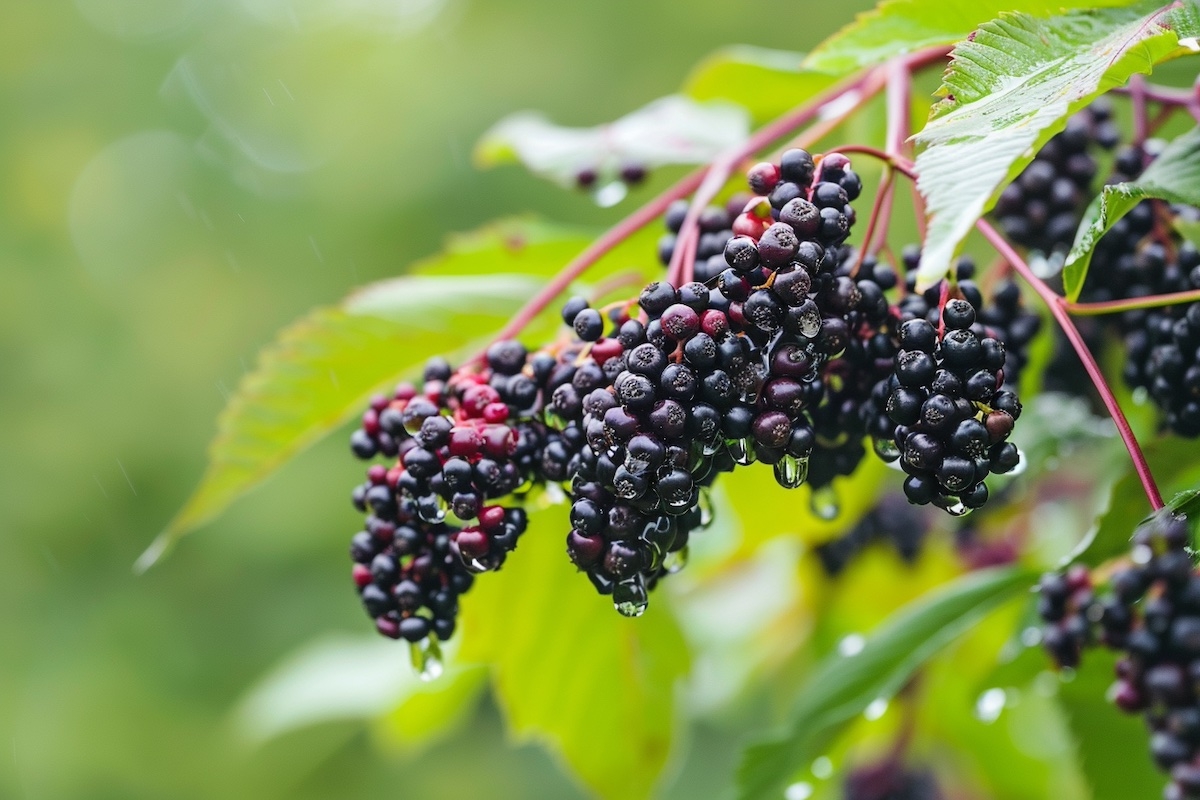
Elderberry refers to the berries from the Sambucus tree, which is commonly found in many parts of the world, including Europe, North America, and parts of Asia and Africa.
Elderberry is commonly associated with addressing cold and flu symptoms by boosting immune health and is celebrated for its historical use in both culinary and medicinal fields [1]. Adding it to your diet may offer potential health benefits due to its rich antioxidant content, supporting overall well-being.
Elderberries are versatile in the kitchen!
Elderberries can be used to make syrups, jellies, pies, wine, and even a delightful elderflower cordial for cocktails and desserts. However, it's critical to note that the berries must be cooked thoroughly before consumption, as the raw plant contains toxic compounds.
How does elderberry work in your body?
- When elderberry is consumed, its compounds begin their entry into the body via the digestive system.
- These compounds are broken down in the digestive tract, allowing them to be absorbed into the bloodstream.
- Once absorbed, elderberry compounds are transported through the bloodstream to various tissues and organs.
- These compounds interact with cells, acting primarily as antioxidants. Anthocyanins, a key component, help neutralize harmful reactive molecules and mitigate oxidative stress.
- In the liver, these compounds are metabolized, aiding in the transformation and utilization of these beneficial elements.
- Elderberry influences immune functions by supporting white blood cells, which can enhance the body’s defense mechanisms.
- After their roles are completed, both metabolized and unmetabolized components of elderberry are excreted through urine and feces.
- This marks the completion of the elderberry compounds' journey through the body, cycling out as waste materials.
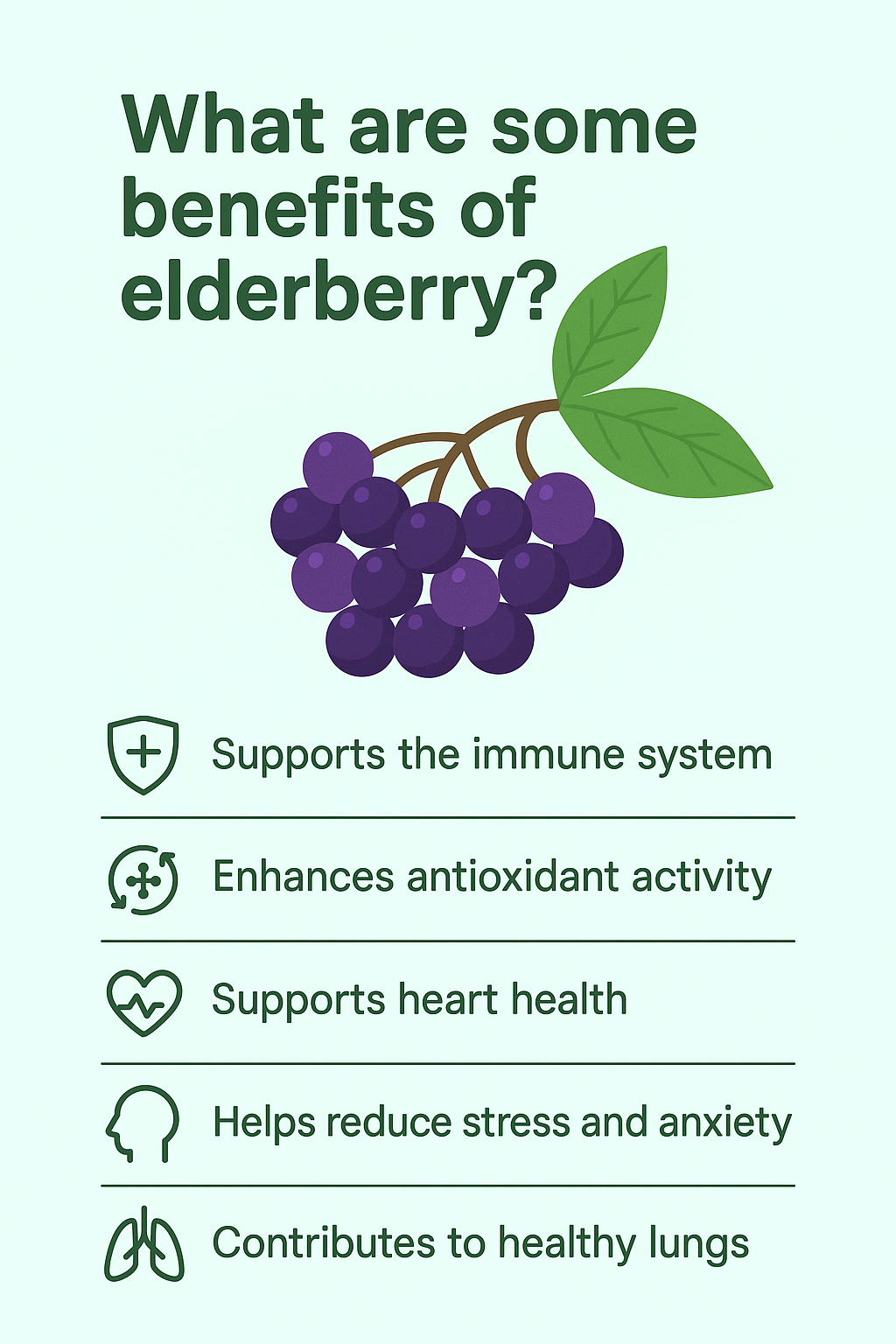
What are some benefits of elderberry?
Elderberrys contain various properties that may contribute to overall well-being.
Supports the immune system
Elderberries are a nutrient-rich fruit known for their abundance of antioxidants and vitamin C, contributing to the overall support of well-being. These antioxidants, such as protocatechuic and chlorogenic acid, are believed to play a role in supporting cellular function and maintaining skin health [4].
Enhances antioxidant activity
Elderberry is recognized for its rich antioxidant content, particularly flavonoids such as quercetin and rutin. These compounds have the potential to support a balanced inflammatory response, safeguarding cells from damage linked to various health considerations [5].
Supports heart health
The phytonutrients and fiber content found in elderberries may contribute to maintaining a balanced inflammatory state. This potential effect suggests a positive impact on cardiovascular health markers [6].
Helps reduce stress and anxiety
Polyphenol flavonoids in elderberries may contribute to a balanced inflammatory response in the brain, which could have potential positive implications for mental well-being, including stress reduction [7].
Contributes to healthy lungs
Elderberry, containing quercetin, has shown promise in early studies related to lung function, potentially beneficial for people with respiratory conditions [8].
Delivery methods
Elderberry supplements come in various delivery methods, each offering its own set of benefits and ways of consumption. Here's a brief overview of the different delivery methods:
Capsules are a convenient and easy-to-swallow delivery method for supplements that provide a pre-measured dose. They are particularly beneficial for individuals who may not enjoy the taste of the supplement in its natural form or when taken as a powder or liquid. Capsules are also portable and discreet, making them easy to take while traveling or on the go.
One of the main advantages of capsules is that they eliminate the need for measuring doses, which can be time-consuming and may lead to inconsistencies in dosage. The pre-measured nature of capsules ensures that the individual takes the same amount each time, making it easier to monitor and maintain a consistent supplementation routine.
Tablets are a convenient and easy-to-swallow form of supplement that offers a pre-measured dose. They eliminate the need for measuring, making them ideal for those who find measuring doses inconvenient. Tablets are also portable and discreet, allowing for easy consumption on the go.
One of the main benefits of tablets is their ease of use. They can be quickly swallowed with water, making them a simple and efficient way to incorporate supplements into a daily routine.
Soft gels are a type of capsule that contains a liquid form of the vitamin or supplement. They are easy to swallow and provide a pre-measured dose. Soft gels are known for their fast absorption rate, as the liquid content is quickly released and absorbed by the body.
This delivery method is particularly beneficial for individuals who have difficulty absorbing nutrients from traditional pills. Soft gels are also easy to digest and gentle on the stomach, making them a good choice for those with sensitive digestive systems. However, it's important to store soft gels properly, as they are more susceptible to degradation from heat and light compared to other delivery methods.
Chewable supplements are a convenient and enjoyable delivery method, particularly for those who have difficulty swallowing pills. They come in various flavors, making them more palatable and easier to consume. Chewables are often formulated to provide a pre-measured dose, ensuring consistent intake.
Chewable supplements are a good option for children or adults who prefer a tasty alternative to traditional pills. However, some chewable supplements may contain added sugars or artificial flavors, so it's essential to read the ingredient list carefully and choose a reputable brand.
Powdered vitamins and supplements offer versatility in consumption. They can be easily mixed into various beverages or foods, such as smoothies, juices, or yogurt, allowing for customization based on individual taste preferences. Powders are often more economical compared to other delivery methods, as they typically provide a larger number of servings per container.
They also allow for flexible dosing, enabling individuals to adjust the amount consumed according to their needs or as directed by a healthcare professional.
However, measuring the correct dose of powdered supplements requires the use of a scoop or scale, which may be less convenient compared to pre-measured options like tablets or capsules.
Liquid extracts are a concentrated form of a supplement that offer fast absorption and flexible dosing. The liquid form allows for quick absorption into the bloodstream, potentially leading to faster effects compared to capsules or tablets. The dropper enables precise dosage adjustments, making it easier to tailor the amount consumed to individual needs or as directed by a healthcare professional.
Liquid extracts may also provide enhanced bioavailability, as some may contain additional compounds or solvents that improve the absorption and utilization of the active ingredients in the body. However, they may have a strong taste that some individuals find unpleasant, and they require careful attention to dosage to avoid consuming too much of the supplement.
Proper storage is essential to maintain the quality and potency of liquid extracts, as exposure to light, heat, or air can degrade the active ingredients over time.
Syrups are popular for their ease of use, often recommended for immune support, and may contain additional ingredients like honey or herbs to enhance taste and health benefits.
Choose a method that fits your routine
Do not overlook the delivery method. Elderberry supplements come in tablets, capsules, soft gel, chewable, powders, and liquid forms—choose the one that best fits your daily routine to stay consistent.
What to look for in elderberry supplements
When selecting a supplement, several key factors must be considered to ensure you choose a high-quality product that effectively supports your health goals and overall well-being.
Dosage and potency
The dosage of elderberry in supplements varies, so it's important to choose one that aligns with your specific needs. This includes considering your age, gender, and health status, like pregnancy or existing deficiencies. The elderberry formulation can impact its potency and bioavailability, which affects how effectively your body can absorb and use it.
Quantity and delivery method
The delivery method is crucial. Elderberry supplements come in various forms, including tablets, capsules, powders, chewables, and liquid forms. Your choice may depend on factors like ease of swallowing, convenience for traveling, or personal preference regarding taste and texture. Also, evaluate the quantity of elderberry to determine how long it will last based on your daily requirements.
Quality and manufacturing
Quality is paramount when selecting elderberry supplements. Look for products manufactured under strict quality control guidelines and those that have undergone third-party testing for purity and label accuracy. Certifications from recognized bodies can be a reliable indicator of a high-quality product. Additionally, consider the manufacturer's reputation and transparency in their production processes.


How and when should you take elderberry for maximum absorption?
To get the most out of your elderberry supplement, it's crucial to consider the timing and method of consumption. The following dos and don'ts offer guidance on optimizing absorption, efficiently supporting your health and wellness, and minimizing potential discomfort.
Do’s

Take elderberry with a meal for absorption
Drink water with elderberry for effectiveness
Space out intake if taking with other meds
Don’ts

Do not consume raw elderberries or raw extracts/juices
Don't chew elderberry supplements
Avoid mixing elderberry with medication that suppress the immune system
Who should take elderberry?
Taking elderberry supplements has its potential benefits, but it may not be for everyone.
- Anyone Looking for Natural Wellness Boosters: For those interested in natural wellness enhancers, elderberry supplements offer a potential option.
- People Aiming for Immune Support: People looking for additional immune system reinforcement may consider elderberry supplements.
- Health Enthusiasts Seeking Antioxidant Support: Elderberry's rich antioxidant content can appeal to people seeking additional antioxidant support.
- People with Allergies: People allergic to honeysuckle, a plant related to the elderberry, may be at risk of adverse reactions.
- Pregnant People: Pregnant people should consult their healthcare provider before incorporating elderberry supplements into their diet.
- People with Sensitivity to Stomachs or Gastrointestinal: People with sensitive stomachs or gastrointestinal conditions should avoid elderberry bark, leaves, and seeds.
Elderberry nutrition profile
Elderberries pack a powerful nutritional punch. Just one cup of these dark purple berries delivers essential vitamins and nutrients that support overall health:
- Vitamin C: Each cup provides 52.2 milligrams of vitamin C—which is crucial for immune function, collagen production, and skin health.
- Dietary Fiber: With 10.2 grams of fiber per cup, elderberries aid in digestion and help maintain a balanced gut microbiome.
- Macronutrients:
- Carbohydrates: 26.7 grams
- Fats: 0.7 grams
- Protein: 1 gram
In addition to their impressive vitamin and fiber content, elderberries are rich in antioxidants. The blue pigment in these berries is thought to lower inflammation, which is one of the many elderberry benefits.
It's important to note that improper usage may result in the side effects of elderberry supplements, so understanding your intake is key. For those monitoring their intake, tracking the elderberry dosage can help ensure that you consistently receive the optimal nutrients.
Additionally, if you prefer liquid formulations, consider reviewing elderberry syrup side effects before adding them to your daily routine.
Recommended dosage
While elderberry has been used for centuries as a natural remedy, there are no official standard dosage recommendations. The appropriate dosage can vary based on factors such as age, health status, and the specific elderberry product being used.
- Elderberry supplements are not recommended for infants under 1 year old due to the lack of safety data and the risk of botulism from raw elderberry.
- For children over 1 year old, some sources suggest a daily dosage of 1/2 to 1 teaspoon of elderberry syrup per day for general immune support, and up to 1 tablespoon per day during illness. However, it's crucial to talk to a pediatrician before giving elderberry to children, as dosages may need to be adjusted based on the child's weight and health status.
- A common dosage of elderberry syrup for general immune support is 1 tablespoon (15 ml) or 1200 mg daily.
- During illness, some people take up to 1 tablespoon four times a day until symptoms improve.
- There is limited research on the safety of elderberry during pregnancy and breastfeeding. We advise avoiding elderberry supplements during these times due to the lack of data.
Side effects of excessive elderberry consumption
While elderberry supplements are generally safe when taken within recommended limits, excessive intake can have adverse effects:
- Cyanide Poisoning Risk: Consuming an excessive amount of raw elderberries could pose a risk of cyanide poisoning, resulting in symptoms like nausea, vomiting, and diarrhea [9].
- Laxative and Diuretic Effects: Ingesting elderberry bark, leaves, or seeds may cause abdominal pain and diarrhea due to their laxative and diuretic properties [10].
Diverse uses of elderberry
Elderberries are incredibly versatile—not only do they offer an impressive nutritional profile, but they also can be used in a wide range of products beyond traditional culinary applications.
Here are some popular uses:
- Culinary Uses:
- Syrups & Jams: Elderberries are a favorite for making syrups and jams, adding a unique flavor and vibrant color to your breakfast or desserts. Traditional recipes for elderberry syrup also call for a careful examination of sambucus elderberry syrup side effects to ensure safe consumption.
- Wine: Both traditional and artisanal elderberry wines offer a distinct, rich taste along with the health benefits of the fruit.
- Teas & Infusions: Enjoy elderberry as a soothing tea or infusion that can be combined with other herbs for an enhanced flavor and additional wellness benefits.
- Gummies & Pills: Modern supplement forms like gummies or pills provide a convenient and precisely dosed option to support immune health.
- Non-Culinary Uses:
- Food Coloring: The deep, natural pigment of elderberries is ideal for creating natural food colorants, adding a pop of color in many culinary products.
- Cosmetic Products: Elderberry extracts are increasingly incorporated into body lotions and skincare formulations for their potent antioxidants, which can help protect and revitalize the skin.
Processed versions of elderberry are especially common in the American market, offering consumers the health benefits of this fruit in innovative, ready-to-use formats.
Always consult your doctor
If you're experiencing side effects, consult your healthcare provider. They may recommend a different elderberry formulation or adjust your dosage. Balancing your elderberry needs with any discomfort is crucial and should not be overlooked.
Recent research & emerging news
Fresh studies and reputable news reports continue to reinforce elderberry’s potential benefits beyond its traditional use for cold and flu relief.
A Washington State University‑led clinical trial published in January 2025 in the journal Nutrients found that consuming 12 ounces of elderberry juice daily for one week led to positive changes in the gut microbiome, improved glucose tolerance, and enhanced fat oxidation among overweight adults [11].
These metabolic improvements suggest that elderberry may be an effective natural aid for regulating blood sugar levels and supporting weight management. In addition, several news outlets, including The New York Post and The Independent, have highlighted elderberry’s renewed popularity in the wellness industry.
With high concentrations of anthocyanins and antioxidants, elderberries are being increasingly recognized not only as an immune booster but also for their role in moderating insulin response and promoting fat-burning—key factors for those managing weight and metabolic health [12].
Adding these latest findings to your wellness routine underscores the convergence of ancient herbal wisdom and modern scientific validation, offering readers an up-to-date perspective on how elderberry can be a valuable part of a healthy, balanced lifestyle.
Health made easy: your go-to resource for essential vitamins and supplements


Frequently asked questions about elderberry (FAQ)
Our library of expert-authored articles covers just about every question you might have about vitamins, minerals, and supplements — along with some you might not have known you had.
Yes, elderberries are generally safe for vegetarians and vegans. Elderberry supplements like capsules, syrups, or gummies are usually made from plants and don't have any animal substances in them. But it's important to check the ingredients on the product or ask the company to make sure there are no animal products in the supplement.
Yes, it’s generally considered safe to take elderberry supplements every day as long as you follow the recommended amounts. It's important not to take too much to avoid possible side effects. Be careful about how much elderberry you consume, especially if you use different products like syrups, supplements, or gummies. If you notice any bad reactions or have doubts, it's a good idea to talk to a healthcare professional.
Elderberry supplements, like capsules or syrups, generally don't cause problems on an empty stomach. But it's important to follow the instructions on the product packaging. If you have any concerns or existing health issues, it's a good idea to talk to a healthcare professional before adding elderberry to your routine.
Elderberry is most commonly used to support the immune system—especially for reducing the severity and duration of cold and flu symptoms.
It's available in many forms, like syrups, capsules, gummies, teas, and juices. Its popularity increased during the coronavirus pandemic, as many consumers turned to it as a natural remedy for respiratory illnesses.
To store elderberries effectively, store dried ones in a cool, dark place in a sealed container. If you make elderberry syrup at home, keep it in the fridge in a closed glass jar and check for spoilage regularly. Follow the storage instructions on the packaging for elderberry supplements, and keep them away from too much heat or humidity. For commercial elderberry products like gummies or jams, refrigerate them once opened, following the guidelines on the labels.
Elderberries don't help with weight loss, but their nutritional profile can support a healthy life. They don't have many calories, and they have a lot of fiber. This might help you feel full, which is good when you're trying to manage your weight along with eating a balanced diet.
You can take elderberry supplements in the morning or at night, whichever you like. There's no strict rule about when to take them. Just make sure to follow the recommended dose and any instructions on the product package for the best results.
Yes, elderberries are generally safe for vegetarians and vegans. Elderberry supplements like capsules, syrups, or gummies are usually made from plants and don't have any animal substances in them. But it's important to check the ingredients on the product or ask the company to make sure there are no animal products in the supplement.
To store elderberries effectively, store dried ones in a cool, dark place in a sealed container. If you make elderberry syrup at home, keep it in the fridge in a closed glass jar and check for spoilage regularly. Follow the storage instructions on the packaging for elderberry supplements, and keep them away from too much heat or humidity. For commercial elderberry products like gummies or jams, refrigerate them once opened, following the guidelines on the labels.
Yes, it’s generally considered safe to take elderberry supplements every day as long as you follow the recommended amounts. It's important not to take too much to avoid possible side effects. Be careful about how much elderberry you consume, especially if you use different products like syrups, supplements, or gummies. If you notice any bad reactions or have doubts, it's a good idea to talk to a healthcare professional.
Elderberries don't help with weight loss, but their nutritional profile can support a healthy life. They don't have many calories, and they have a lot of fiber. This might help you feel full, which is good when you're trying to manage your weight along with eating a balanced diet.
Elderberry supplements, like capsules or syrups, generally don't cause problems on an empty stomach. But it's important to follow the instructions on the product packaging. If you have any concerns or existing health issues, it's a good idea to talk to a healthcare professional before adding elderberry to your routine.
You can take elderberry supplements in the morning or at night, whichever you like. There's no strict rule about when to take them. Just make sure to follow the recommended dose and any instructions on the product package for the best results.
Elderberry is most commonly used to support the immune system—especially for reducing the severity and duration of cold and flu symptoms.
It's available in many forms, like syrups, capsules, gummies, teas, and juices. Its popularity increased during the coronavirus pandemic, as many consumers turned to it as a natural remedy for respiratory illnesses.
Final thoughts
Elderberry is a nutrient-dense superfood with diverse applications in both culinary and non-culinary products. Rich in vitamin C, fiber, and antioxidants, it supports immune health, digestion, and skin vitality.
Remember to monitor your elder berry dosage and note who should not take elderberry if you have allergies or specific health conditions.
Whether you use it as a syrup, supplement, or ingredient in foods, understanding the elderberry dosage—including the recommended dose of elderberry for adults and answering how much elderberry per day you need—is essential to reap its full benefits, all while considering the possibility of can you take too much elderberry syrup.
Additionally, be mindful of any potential elderberry syrup side effects. Embrace this natural remedy for a balanced and health-focused lifestyle.
Sources and references
- Elderberry for prevention and treatment of viral respiratory illnesses: a systematic review | BMC Complementary Medicine and Therapies
- Elderberry (Sambucus nigra L.) extracts promote anti-inflammatory and cellular antioxidant activity - ScienceDirect
- Elderberry Extracts: Characterization of the Polyphenolic Chemical Composition, Quality Consistency, Safety, Adulteration, and Attenuation of Oxidative Stress- and Inflammation-Induced Health Disorders
- Potential Use of Elderberry (Sambucus nigra L.) as Natural Colorant and Antioxidant in the Food Industry. A Review - PMC
- Elderberry Extracts: Characterization of the Polyphenolic Chemical Composition, Quality Consistency, Safety, Adulteration, and Attenuation of Oxidative Stress- and Inflammation-Induced Health Disorders - PMC
- Elderberry (Sambucus nigra L.): Bioactive Compounds, Health Functions, and Applications | Journal of Agricultural and Food Chemistry
- Flavonoids for depression and anxiety: a systematic review and meta-analysis
- Clinical Effectiveness of a Combination of Black Elder Berries, Violet Herb, and Calendula Flowers in Chronic Obstructive Pulmonary Disease: The Results of a Double-Blinded Placebo-Controlled Study - PMC
- Elderberries—A Source of Bioactive Compounds with Antiviral Action
- Elderberry-functional product (review)
- Elderberry juice shows benefits for weight management, metabolic health | WSU Insider
- ‘Underappreciated’ berry can boost metabolism and may help burn fat, according to new study
Editor
Derick Rodriguez
Derick Rodriguez focuses on editing health and wellness-related content. With over half a decade of experience in the digital realm, Derick has developed a unique skill set that bridges the gap between complex health concepts and accessible, user-friendly communication. His approach is deeply rooted in leveraging personal experiences and insights to illuminate the nuances of health and wellness topics, making them more approachable and empowering readers with knowledge and confidence.
Fact checker

Dr. Dimitar Marinov
Dr. Marinov has years of experience in scientific research and preventive and clinical medicine. His publications in peer-reviewed journals are on nutritional status, physical activity, and musculoskeletal disorders among adolescents.
At VitaRx, we're not just passionate about our work — we take immense pride in it. Our dedicated team of writers diligently follows strict editorial standards, ensuring that every piece of content we publish is accurate, current, and highly valuable. We don't just strive for quality; we aim for excellence.
Related posts
While you're at it, here are some other relevant articles you might be interested in.



Get your personalized vitamin recommendations in less than 3 minutes.
Get your personalized vitamin recommendations in less than 3 minutes.