Last update: April 26, 2025
Reishi Mushrooms: The Complete Guide
Explore the facts on Reishi mushrooms with our comprehensive guide! Discover how this fungus may impact your immune system, stress levels, and overall well-being, from dosage and benefits to potential side effects.

By Derick Rodriguez, Associate Editor
Edited by Dr. Dimitar Marinov, MD, RDN, PhD
Key takeaways
- Reishi mushrooms are rich in polysaccharides and triterpenoids
- Supports immune function, antioxidant activity, stress management, cardiovascular and respiratory health, and liver health
- It’s not essential, but potential health benefits from bioactive compounds may support your overall health
What are reishi mushrooms?
Reishi mushrooms, also known as Ganoderma lucidum or Lingzhi, are a type of medicinal mushroom that has been used in traditional medicine for over 2,000 years. They are known for their potential health benefits and are often consumed as a dietary supplement or used in traditional remedies.
Reishi mushrooms are commonly associated with wellness and immune support, containing over 400 biologically active compounds. These include beta-glucans, polysaccharides, triterpenes, and terpenoids, which are known for their antioxidant, anti-inflammatory, and immune-modulating, properties.
Avoid using this mushrooms as a side-dish
Reishi mushrooms are not typically consumed as food due to their tough, woody texture and bitter taste. Instead, they are usually consumed in the form of supplements, teas, or extracts.
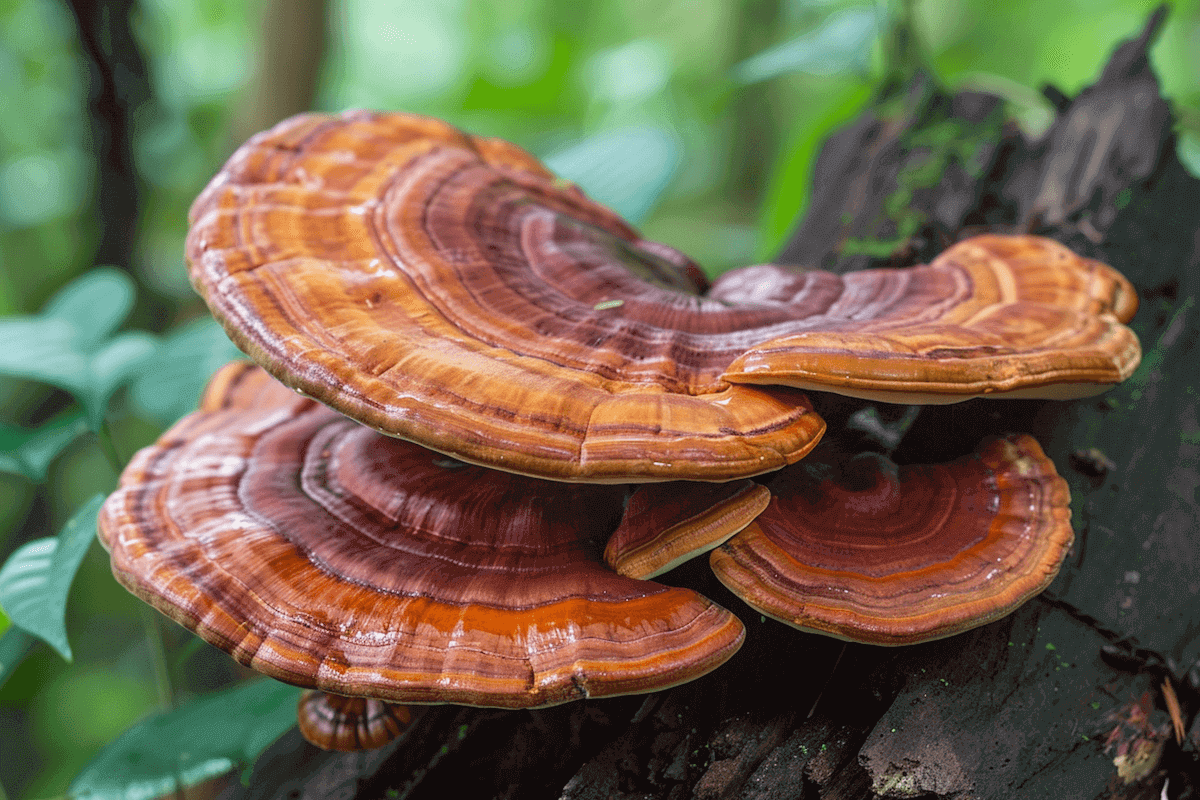
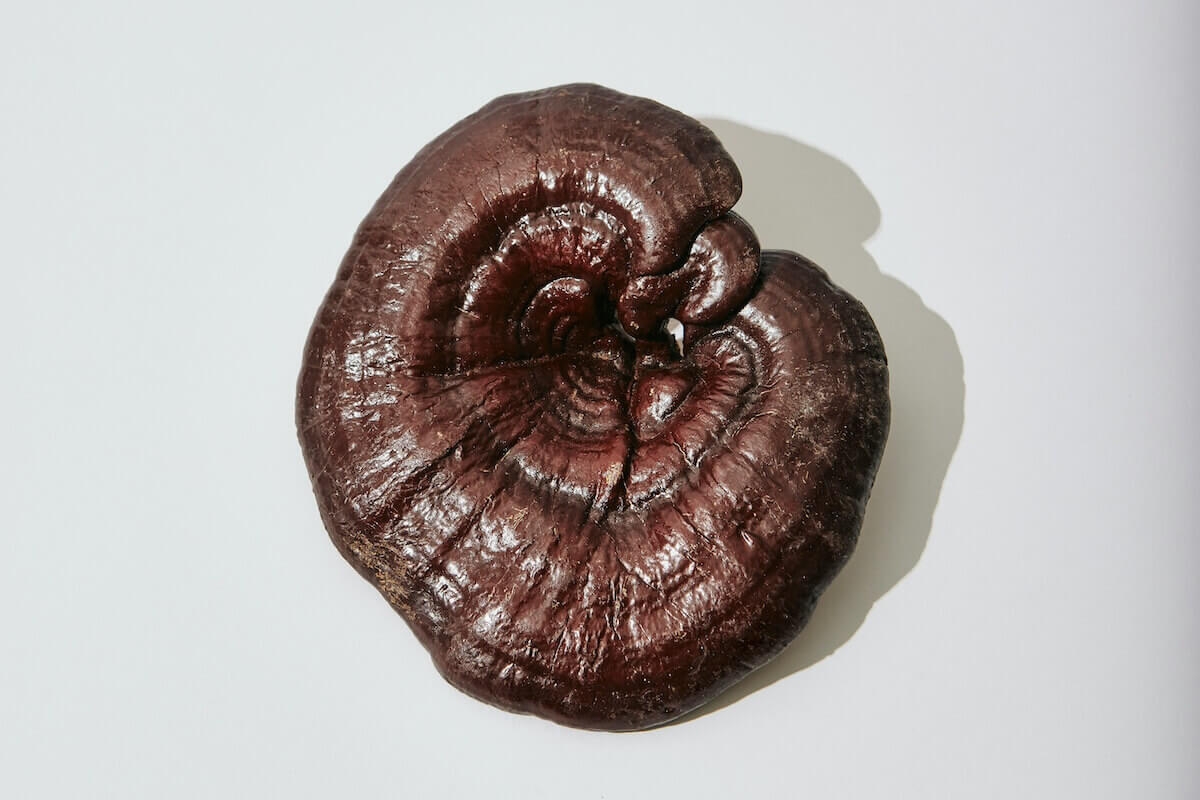
Reishi mushrooms have a distinctive appearance, with a large, flat, kidney-shaped cap and a woody texture. In the wild, reishi mushrooms grow on the bases and stumps of deciduous trees, particularly maple and oak trees. They are native to several Asian countries, including China, Japan, and Korea, but are now cultivated in many other parts of the world.
Different types of reishi mushrooms
There are different strains or types of reishi mushrooms. The most commonly known type is Ganoderma lucidum, which is often referred to simply as reishi.
However, the Reishi name is sometimes used more broadly to refer to several species within the genus that share similar properties. Here are some notable species often included under the term "reishi":
- Ganoderma lucidum
This is the most widely known and studied type, traditionally used in East Asian medicine. It's recognized for its shiny, varnished appearance. - Ganoderma tsugae
This species is similar to Ganoderma lucidum, but it typically grows on hemlock trees. It is found predominantly in North America and parts of Asia. - Ganoderma sinense
This species is similar to Ganoderma lucidum and is used in traditional Chinese medicine. The potency can vary depending on the specific strain and growing conditions. - Ganoderma curtisii
Found in the southeastern United States, this species grows primarily on hardwood stumps and logs. - Ganoderma lingzhi
The term "Ganoderma lingzhi" is often used interchangeably with "Ganoderma lucidum" in Chinese medicine. While some sources may use "Ganoderma lingzhi" to refer to a specific cultivated strain with higher polysaccharide content, this usage is not universal, and the two names are often used synonymously.
How do reishi mushrooms work in your body?
- Ingested through food or supplements.
- Once ingested, these mushrooms are processed in the gastrointestinal tract, releasing bioactive compounds such as polysaccharides and triterpenoids.
- The bioactive compounds are absorbed into the bloodstream via the small intestine.
- Transported through the bloodstream and distributed throughout the body.
- Target specific cells and organs due to their affinity, interacting with cellular receptors and influencing physiological pathways.
- Some absorbed compounds are metabolized by the liver and other organs.
- Unused or metabolized compounds are expelled through urine, feces, or other metabolic processes like sweating.
What are some benefits of reishi mushrooms?
Reishi mushrooms contain various properties that may contribute to overall well-being.
Strengthen immune system
Reishi mushrooms are believed to have immunomodulatory effects, potentially supporting a healthy immune system. Some studies suggest that the polysaccharides and triterpenoids in reishi may contribute to this property [2].
Supports antioxidant activity
The presence of triterpenes and phenolic compounds in reishi mushrooms may contribute to their antioxidant properties, helping to combat oxidative stress in the body [3].
Helps manage stress
Reishi mushrooms are often linked to adaptogenic properties, potentially assisting the body in adapting to stress. These adaptogens may help maintain balance during challenging situations [4].
Reduces fatigue
A study conducted on 132 individuals found that consuming reishi supplements for 8 weeks led to a reduction in fatigue and an improvement in overall well-being [6].
Where are reishi mushrooms found?
Reishi mushrooms are found naturally in several parts of Asia, particularly in East Asian countries such as China, Japan, and Korea. They typically grow at the base of deciduous trees, especially maple and oak trees, in hot and humid locations.
Here are some more details on the natural habitat and distribution of reishi mushrooms:
- East Asia: China, Japan, and Korea are the main countries where reishi mushrooms are found in the wild. They are particularly abundant in the mountainous regions of these countries.
- Southeast Asia: Reishi mushrooms can also be found in some parts of Southeast Asia, including Thailand, Vietnam, and Malaysia.
- North America: While not native to North America, reishi mushrooms have been cultivated in some regions of the United States and Canada.
- Europe: Reishi mushrooms are not native to Europe but have been introduced and cultivated in some countries, such as Italy and the Czech Republic.
Due to their growing popularity and medicinal uses, reishi mushrooms are now commercially cultivated in many countries worldwide, often using artificial logs or substrates under controlled conditions. This has made them more widely available beyond their natural habitats.
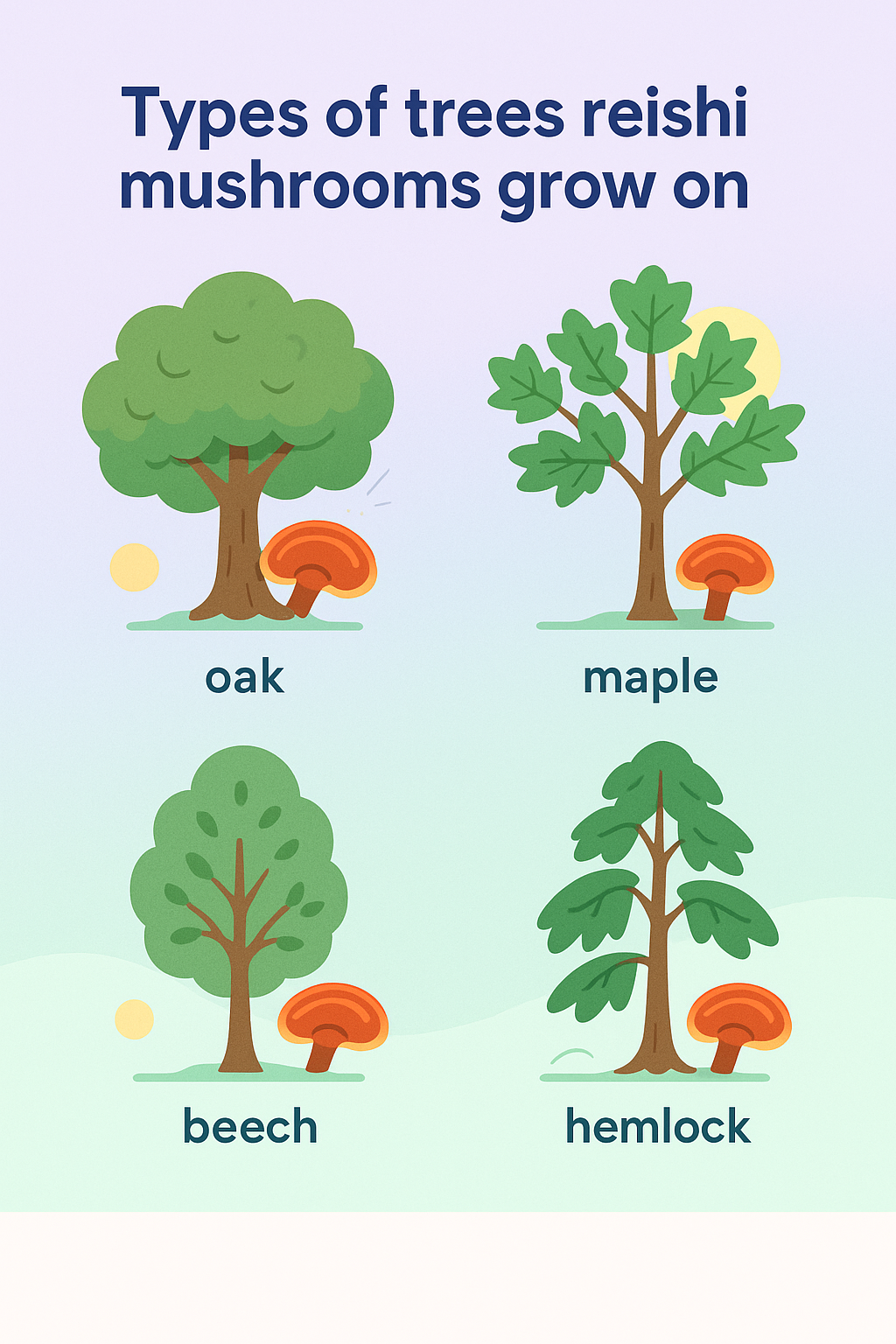
Types of trees reishi mushrooms grow on
Reishi mushroom benefits list enthusiasts often seek these mushrooms in the wild, where they primarily colonize:
- Oak
- Maple
- Beech
- Elm
- Hemlock (especially Ganoderma tsugae in North America)
These mushrooms attach themselves to dead or dying trees, using the decomposing wood as a nutrient source to support their growth.
Ideal conditions for reishi mushroom growth
Reishi mushrooms prefer:
- High humidity (above 80%)
- Warm temperatures (65–80°F / 18–27°C)
- Low-light, shaded environments (such as forest floors)
- Fresh airflow to promote healthy growth and prevent mold
They are most commonly found during the late spring, summer, and early fall months, especially following periods of rainfall, when conditions for fruiting are ideal. Learning how long does it take for reishi mushroom to work often depends on how consistent you are with its use during these seasonal cycles.
Important for foragers
While reishi mushrooms have distinct characteristics like a shiny, lacquered red cap and a white pore underside, some lookalike mushrooms exist, such as the artist's conk (Ganoderma applanatum) and red-belted polypore (Fomitopsis pinicola).
If you're harvesting wild reishi, it’s important to confirm identification through:
- Spore prints (reishi produces a brown spore print)
- Glossy cap texture
- Growth on hardwood or hemlock trees
Foragers should also be aware of potential reishi mushroom side effects when consuming wild-harvested varieties without proper preparation.
Delivery methods
Reishi mushroom supplements come in various delivery methods, each offering its own set of benefits and methods of consumption. Here's a brief overview of the different delivery methods:
Capsules are a convenient and easy-to-swallow delivery method for supplements that provide a pre-measured dose. They are particularly beneficial for individuals who may not enjoy the taste of the supplement in its natural form or when taken as a powder or liquid. Capsules are also portable and discreet, making them easy to take while traveling or on the go.
One of the main advantages of capsules is that they eliminate the need for measuring doses, which can be time-consuming and may lead to inconsistencies in dosage. The pre-measured nature of capsules ensures that the individual takes the same amount each time, making it easier to monitor and maintain a consistent supplementation routine.
Tablets are a convenient and easy-to-swallow form of supplement that offers a pre-measured dose. They eliminate the need for measuring, making them ideal for those who find measuring doses inconvenient. Tablets are also portable and discreet, allowing for easy consumption on the go.
One of the main benefits of tablets is their ease of use. They can be quickly swallowed with water, making them a simple and efficient way to incorporate supplements into a daily routine.
Soft gels are a type of capsule that contains a liquid form of the vitamin or supplement. They are easy to swallow and provide a pre-measured dose. Soft gels are known for their fast absorption rate, as the liquid content is quickly released and absorbed by the body.
This delivery method is particularly beneficial for individuals who have difficulty absorbing nutrients from traditional pills. Soft gels are also easy to digest and gentle on the stomach, making them a good choice for those with sensitive digestive systems. However, it's important to store soft gels properly, as they are more susceptible to degradation from heat and light compared to other delivery methods.
Chewable supplements are a convenient and enjoyable delivery method, particularly for those who have difficulty swallowing pills. They come in various flavors, making them more palatable and easier to consume. Chewables are often formulated to provide a pre-measured dose, ensuring consistent intake.
Chewable supplements are a good option for children or adults who prefer a tasty alternative to traditional pills. However, some chewable supplements may contain added sugars or artificial flavors, so it's essential to read the ingredient list carefully and choose a reputable brand.
Powdered vitamins and supplements offer versatility in consumption. They can be easily mixed into various beverages or foods, such as smoothies, juices, or yogurt, allowing for customization based on individual taste preferences. Powders are often more economical compared to other delivery methods, as they typically provide a larger number of servings per container.
They also allow for flexible dosing, enabling individuals to adjust the amount consumed according to their needs or as directed by a healthcare professional.
However, measuring the correct dose of powdered supplements requires the use of a scoop or scale, which may be less convenient compared to pre-measured options like tablets or capsules.
Liquid extracts are a concentrated form of a supplement that offers fast absorption and flexible dosing. The liquid form allows for quick absorption into the bloodstream, potentially leading to faster effects compared to capsules or tablets.
The dropper enables precise dosage adjustments, making it easier to tailor the amount consumed to individual needs or as directed by a healthcare professional.
Liquid extracts may also provide enhanced bioavailability, as some may contain additional compounds or solvents that improve the absorption and utilization of the active ingredients in the body.
However, they may have a strong taste that some may find unpleasant, and they require careful attention to dosage to avoid consuming too much of the supplement.
Proper storage is essential to maintain the quality and potency of liquid extracts, as exposure to light, heat, or air can degrade the active ingredients over time.
Choose a method that fits your routine
Do not overlook the delivery method. Reishi mushroom supplements come in tablets, capsules, soft gel, chewable, powders, and liquid forms—choose the one that best fits your daily routine to stay consistent.
What to look for in reishi mushroom supplements
When selecting a supplement, several key factors must be considered to ensure you choose a high-quality product that effectively supports your health goals and overall well-being.
Dosage and potency
The dosage of reishi mushrooms in supplements varies, so it's important to choose one that aligns with your specific needs. This includes considering your age, gender, and health status, like pregnancy or existing deficiencies. The reishi mushrooms formulation can impact its potency and bioavailability, which affects how effectively your body can absorb and use it.
Quantity and delivery method
The delivery method is crucial. Reishi mushroom supplements come in various forms, including tablets, capsules, powders, chewables, and liquid forms. Your choice may depend on factors like ease of swallowing, convenience for traveling, or personal preference regarding taste and texture. Also, evaluate the quantity of reishi mushrooms to determine how long it will last based on your daily requirements.
Quality and manufacturing
Quality is paramount when selecting reishi mushroom supplements. Look for products manufactured under strict quality control guidelines and those that have undergone third-party testing for purity and label accuracy. Certifications from recognized bodies can be a reliable indicator of a high-quality product. Additionally, consider the manufacturer's reputation and transparency in their production processes.


How and when should you take reishi mushrooms for maximum absorption?
To get the most out of your reishi mushroom supplement, it's crucial to consider the timing and method of consumption. The following dos and don'ts offer guidance on optimizing absorption, efficiently supporting your health and wellness, and minimizing potential discomfort.
Do’s

Take on an empty stomach for potentially enhanced absorption.
Consider consuming alongside water to aid digestion.
Add it to your routine consistently for potential benefits.
Speak with your doctor before taking any supplements.
Don’ts

Avoid taking it on a full stomach to avoid potential interference.
Do not mix with medications without consulting healthcare professionals.
Don’t exceed recommended doses, prioritize moderation.
Who should take reishi mushrooms?
Taking reishi mushroom supplements has its potential benefits, but it may not be for everyone.
- People Seeking Immune Support: Reishi mushrooms may enhance the immune system and have been used to treat infections and pulmonary issues.
- People Looking to Improve Their Mood: Reishi mushrooms may reduce fatigue and feelings of sadness, as indicated by studies on conditions like neurasthenia and breast cancer.
- Pregnant and Breastfeeding Women: Due to limited safety data, caution is advised to avoid potential risks.
- People on Anticoagulants or Immunosuppressants: Reishi mushrooms may interact with these medications, so consulting a healthcare professional is recommended.
- People with Known Allergies: People with allergies to mushrooms or specific reishi components should exercise caution to avoid side reactions.
- People with High Blood Pressure: Reishi mushrooms contain compounds that can lower blood sugar and blood pressure levels, so people taking medications for high blood pressure should consult a healthcare professional before taking them.
Recommended dosage
Studies on reishi mushrooms are ongoing, and optimal dosages have not yet been established. However, there are typical dosages that have been used in trials and by many people worldwide.
Due to a lack of studies, reishi mushrooms are not recommended for infants or children.
While no official safe dosage has been set, A typical dose of 1400-5400 mg by mouth daily, usually in divided doses.
Due to a lack of studies, reishi mushrooms are not recommended for pregnant or breastfeeding women.
Side effects of excessive reishi mushroom consumption
While reishi mushroom supplements are generally safe when taken within recommended limits, excessive intake can have adverse effects:
- Digestive issues: Reishi mushrooms contain polysaccharides that may irritate the stomach and intestines, leading to nausea, vomiting, diarrhea, or constipation.
- Blood thinning: Reishi mushrooms may interfere with blood clotting and increase the risk of bleeding, especially if taken with anticoagulant drugs or before surgery.
- Liver damage: Reishi mushrooms may cause liver toxicity in some people, especially if taken for a long time or in high doses.
- Allergic reactions: Reishi mushrooms may trigger allergic reactions in some people, such as rash, itching, swelling, or difficulty breathing.
- Hormonal imbalance: Reishi mushrooms may affect the levels of hormones in the body, such as testosterone, estrogen, and thyroid hormones.
- Drug interactions: Reishi mushrooms may interact with some medications, such as chemotherapy drugs, immunosuppressants, antihypertensives, or antidiabetics, and alter their effects or cause adverse reactions.
Always consult your doctor
If you're experiencing side effects, consult your healthcare provider. They may recommend a different Reishi mushroom formulation or adjust your dosage. Balancing your Reishi mushroom needs with any discomfort is crucial and should not be overlooked.
Recent breakthroughs in sustainable outdoor cultivation of reishi mushrooms
In April 2025, a project funded by the Sustainable Agriculture Research and Education (SARE) program showcased a low-tech, sustainable method for cultivating reishi mushrooms outdoors. This approach involves growing reishi in nursery pots filled with wood pulp substrate derived from tree service byproducts, placed under shade structures to regulate environmental conditions.
Post-harvest, the spent substrate is composted and used to enrich the soil, enhancing its fertility and structure. Additionally, integrating poultry into the system aids in natural fertilization and substrate breakdown. This method not only produces valuable medicinal mushrooms but also contributes to soil health and offers a replicable model for small-scale, sustainable agriculture.
Health made easy: your go-to resource for essential vitamins and supplements


Frequently asked questions about reishi mushrooms (FAQ)
Our library of expert-authored articles covers just about every question you might have about vitamins, minerals, and supplements — along with some you might not have known you had.
Reishi mushrooms are safe for vegetarians and vegans, as they are a plant source. However, some reishi products may contain animal-derived ingredients, like gelatin capsules or honey. Check the label carefully before buying or consuming any reishi product.
Yes, it is okay to take reishi mushrooms every day as long as you follow the recommended dosage and duration of use. Reishi mushrooms are generally considered safe when taken in moderation, but they may not be suitable for everyone. If you have any pre-existing medical conditions or if you’re taking any medications, you should consult a doctor before taking reishi mushrooms, as they may interact with some drugs or affect your health condition.
While there is no specific data suggesting that reishi mushrooms directly influence weight loss, they may play a supportive role in overall health and well-being. reishi mushrooms are known to have potential benefits for immune function, stress management, and sleep quality, all of which can indirectly impact weight management.
However, achieving and maintaining a healthy weight requires a comprehensive approach that includes a balanced diet, regular physical activity, and other lifestyle factors.
Take reishi mushrooms in the morning for energy and focus or at night for relaxation and stress relief. Avoid taking them right before bedtime to ensure better sleep quality.
You can find reishi mushrooms in shaded, wooded areas where hardwood trees are abundant. Look near the base or on the stumps of trees like oak, maple, beech, and elm.
They thrive in humid environments and are most likely to appear during late spring, summer, and early fall, especially after periods of rain.
Always remember to correctly identify reishi using visual cues—like their glossy red-brown caps and white pore surfaces—and consider making a spore print to confirm identification before harvesting.
Reishi mushrooms should be stored in a cool, dry, and dark place, away from direct sunlight and heat. If you have fresh reishi mushrooms, you can keep them in the refrigerator for up to a week, or in the freezer for up to a year. If you have dried reishi mushrooms, you can store them in an airtight container for up to two years. If you have reishi extract powder or capsules, you can store them in a sealed container for up to three years
Some believe that reishi mushrooms may help improve sleep quality by promoting relaxation and reducing stress. Reishi mushrooms are known to have adaptogenic properties, which may help the body manage stress more effectively.
By supporting the body's ability to cope with stress, reishi mushrooms may indirectly contribute to better sleep. Anecdotal evidence suggests that they may help individuals fall asleep faster, experience more restful sleep, and wake up feeling refreshed.
Yes, you can take reishi mushrooms on an empty stomach without any issues for most people. It might improve absorption. But, if it makes you feel nauseous or drowsy, try taking them with food or water or reduce the amount.
In the United States, reishi mushrooms are most commonly found in the eastern and northern parts of the country. They typically grow on dead or dying hardwood trees like oak, maple, and beech.
A specific species called Ganoderma tsugae is often found growing on hemlock trees in the northeastern U.S., particularly in forested areas with high humidity and dense canopy cover. The Pacific Northwest also supports certain reishi species, like Ganoderma oregonense, thanks to its moist, temperate forests.
Reishi mushrooms are safe for vegetarians and vegans, as they are a plant source. However, some reishi products may contain animal-derived ingredients, like gelatin capsules or honey. Check the label carefully before buying or consuming any reishi product.
Reishi mushrooms should be stored in a cool, dry, and dark place, away from direct sunlight and heat. If you have fresh reishi mushrooms, you can keep them in the refrigerator for up to a week, or in the freezer for up to a year. If you have dried reishi mushrooms, you can store them in an airtight container for up to two years. If you have reishi extract powder or capsules, you can store them in a sealed container for up to three years
Yes, it is okay to take reishi mushrooms every day as long as you follow the recommended dosage and duration of use. Reishi mushrooms are generally considered safe when taken in moderation, but they may not be suitable for everyone. If you have any pre-existing medical conditions or if you’re taking any medications, you should consult a doctor before taking reishi mushrooms, as they may interact with some drugs or affect your health condition.
Some believe that reishi mushrooms may help improve sleep quality by promoting relaxation and reducing stress. Reishi mushrooms are known to have adaptogenic properties, which may help the body manage stress more effectively.
By supporting the body's ability to cope with stress, reishi mushrooms may indirectly contribute to better sleep. Anecdotal evidence suggests that they may help individuals fall asleep faster, experience more restful sleep, and wake up feeling refreshed.
While there is no specific data suggesting that reishi mushrooms directly influence weight loss, they may play a supportive role in overall health and well-being. reishi mushrooms are known to have potential benefits for immune function, stress management, and sleep quality, all of which can indirectly impact weight management.
However, achieving and maintaining a healthy weight requires a comprehensive approach that includes a balanced diet, regular physical activity, and other lifestyle factors.
Yes, you can take reishi mushrooms on an empty stomach without any issues for most people. It might improve absorption. But, if it makes you feel nauseous or drowsy, try taking them with food or water or reduce the amount.
Take reishi mushrooms in the morning for energy and focus or at night for relaxation and stress relief. Avoid taking them right before bedtime to ensure better sleep quality.
In the United States, reishi mushrooms are most commonly found in the eastern and northern parts of the country. They typically grow on dead or dying hardwood trees like oak, maple, and beech.
A specific species called Ganoderma tsugae is often found growing on hemlock trees in the northeastern U.S., particularly in forested areas with high humidity and dense canopy cover. The Pacific Northwest also supports certain reishi species, like Ganoderma oregonense, thanks to its moist, temperate forests.
You can find reishi mushrooms in shaded, wooded areas where hardwood trees are abundant. Look near the base or on the stumps of trees like oak, maple, beech, and elm.
They thrive in humid environments and are most likely to appear during late spring, summer, and early fall, especially after periods of rain.
Always remember to correctly identify reishi using visual cues—like their glossy red-brown caps and white pore surfaces—and consider making a spore print to confirm identification before harvesting.
Final thoughts
From ancient traditions to cutting-edge research, the allure of reishi mushroom benefits continues to grow. These incredible fungi offer a wide array of potential advantages for immunity, stress management, and cardiovascular support. Knowing when to take reishi mushroom and choosing the right reishi dosage are key factors in maximizing their impact.
If you're considering adding reishi to your health routine, remember that the optimal reishi mushroom dosage varies based on your goals and health status. While the reishi mushroom benefits list is long and impressive, it's essential to use this powerful natural remedy thoughtfully and responsibly.
Understanding both the rewards and considerations—including how to navigate reishi mushroom side effects—can help you integrate reishi into a holistic approach to well-being. As always, consult your healthcare provider before starting any new supplement, and enjoy the remarkable journey that the world of reishi has to offer.
Sources and references
- Ganoderma lucidum (Lingzhi or Reishi) - Herbal Medicine - NCBI Bookshelf
- Immuno-physiological effects of dietary reishi mushroom powder as a source of beta-glucan on Rohu, Labeo rohita challenged with Aeromonas veronii - PMC
- Antioxidant Activity of Mushroom Extracts/Polysaccharides—Their Antiviral Properties and Plausible AntiCOVID-19 Properties - PMC
- A preliminary review of studies on adaptogens: comparison of their bioactivity in TCM with that of ginseng-like herbs used worldwide
- Ganoderma lucidum (Lingzhi or Reishi) - Herbal Medicine - NCBI Bookshelf
- Ganoderma lucidum mushroom for the treatment of cardiovascular risk factors - PMC
Editor
Derick Rodriguez
Derick Rodriguez focuses on editing health and wellness-related content. With over half a decade of experience in the digital realm, Derick has developed a unique skill set that bridges the gap between complex health concepts and accessible, user-friendly communication. His approach is deeply rooted in leveraging personal experiences and insights to illuminate the nuances of health and wellness topics, making them more approachable and empowering readers with knowledge and confidence.
Fact checker

Dr. Dimitar Marinov
Dr. Marinov has years of experience in scientific research and preventive and clinical medicine. His publications in peer-reviewed journals are on nutritional status, physical activity, and musculoskeletal disorders among adolescents.
At VitaRx, we're not just passionate about our work — we take immense pride in it. Our dedicated team of writers diligently follows strict editorial standards, ensuring that every piece of content we publish is accurate, current, and highly valuable. We don't just strive for quality; we aim for excellence.
Related posts
While you're at it, here are some other relevant articles you might be interested in.


Get your personalized vitamin recommendations in less than 3 minutes.
Get your personalized vitamin recommendations in less than 3 minutes.