Last update: November 6, 2025
5 minute read
Prebiotic + Probiotic Combos: Better Together?
Discover how combining prebiotics and probiotics supports digestion, immunity, and gut health, and learn the best ways to use them together.

By Derick Rodriguez, Associate Editor
Edited by Dr. Dimitar Marinov, MD, RDN, PhD
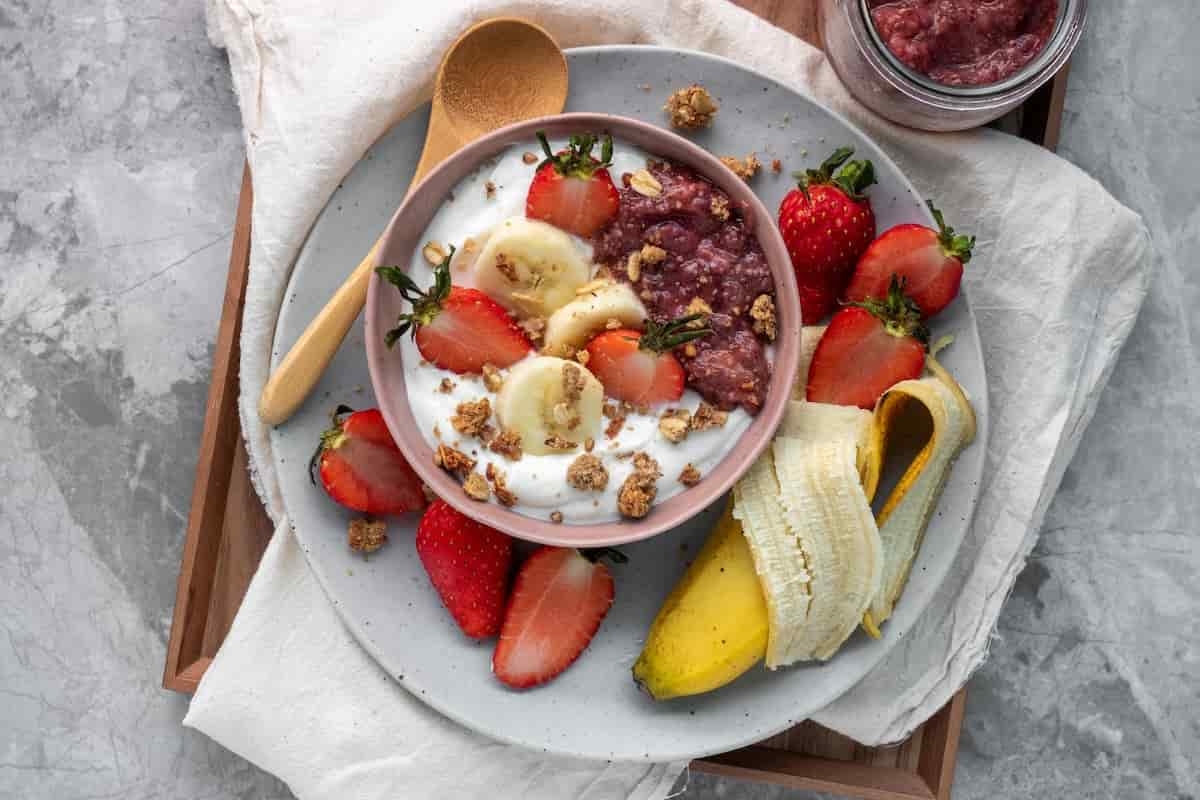
Your gut is like a living ecosystem. Probiotics bring in beneficial new players, while prebiotics help nourish both the newcomers and your resident microbiome. Taken together, they may offer more than the sum of their parts, and science is backing that up.
In this article, you’ll learn the difference between prebiotics and probiotics, what happens when you combine them, how to choose the right approach for your body, and what potential risks to keep in mind.
Key takeaways
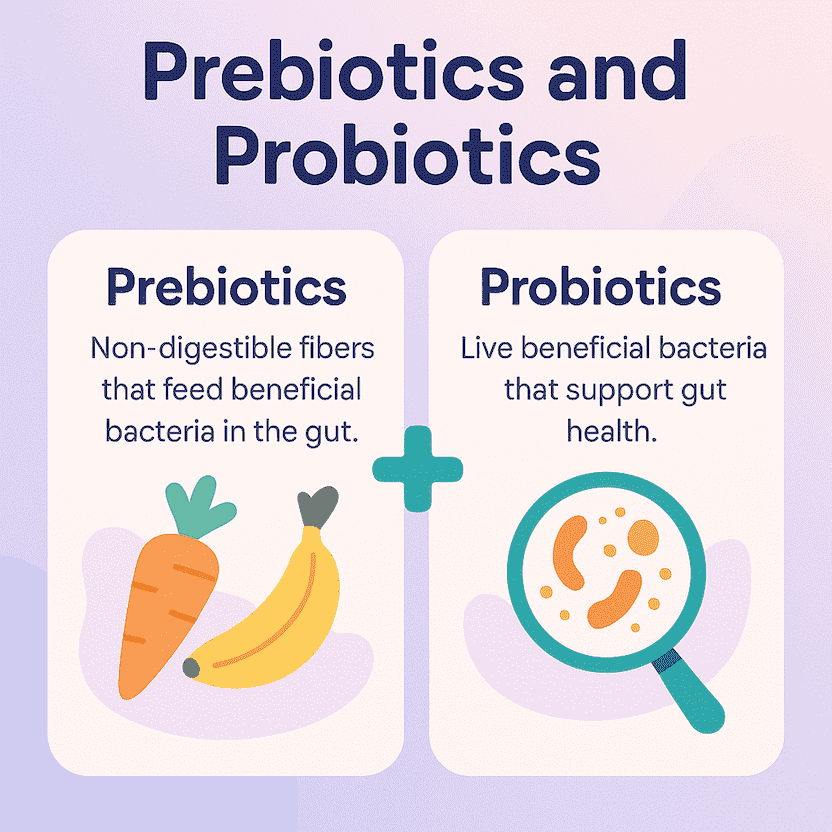
- Prebiotics feed probiotics; think of probiotics as the seeds and prebiotics as the fertilizer
- Together, they’re called synbiotics, which may support digestion, immunity, metabolism, and more
- Whole foods rich in fiber and fermented options give a foundation; supplements can help fill in gaps
What they are & how they work
Probiotics
Probiotics are live microorganisms that provide health benefits when taken in adequate amounts. They don’t necessarily colonize permanently.
Instead, they pass through your gut like helpful visitors, interacting with your microbiome and gut lining before moving on. That’s why consistency matters: if you don’t keep “inviting them back,” their benefits fade.
Prebiotics
Prebiotics are non-digestible compounds, typically fibers that your microbes ferment into byproducts like short-chain fatty acids (SCFAs). These SCFAs fuel gut cells, support immune balance, and help regulate blood sugar and inflammation. Some polyphenols may also have probiotic-like properties.
Synbiotics
When you combine them, you create a synbiotic. Some are complementary, meaning the probiotic and prebiotic each do their own jobs. Others are synergistic, specifically designed so the prebiotic helps the probiotic strain thrive.
Health benefits of combining prebiotics and probiotics
The research shows that pairing probiotics and prebiotics may enhance benefits across multiple systems:
Benefit | How Synbiotics Help | Key Notes |
|---|---|---|
Digestive comfort | Support regularity, ease bloating, restore balance after antibiotics | Certain strains (e.g. Bifidobacterium lactis HN019) paired with prebiotic fibers are especially effective |
Gut barrier integrity | Prebiotics fuel SCFA production (esp. butyrate) to strengthen gut lining; probiotics reinforce junction proteins | Helps keep “bad” out and “good” in |
Immune balance | Strains interact with immune cells, prebiotics reduce inflammation | Linked to fewer infections and better resilience |
Metabolic health | Some synbiotics studied for supporting healthy cholesterol, lipid metabolism, insulin response | Evidence is promising but still developing |
Nutrient support | Certain strains can synthesize vitamins like folate and vitamin K | Reinforces overall wellness |
How to add prebiotics and probiotics to your routine
Supporting your microbiome doesn’t have to feel complicated. You can start with food, add supplements if needed, and fine-tune your daily habits. Here’s how to make each piece work for you.


Best foods with natural prebiotics and probiotics
Start where nature intended, your plate. Whole foods are the most sustainable and accessible way to support your gut.
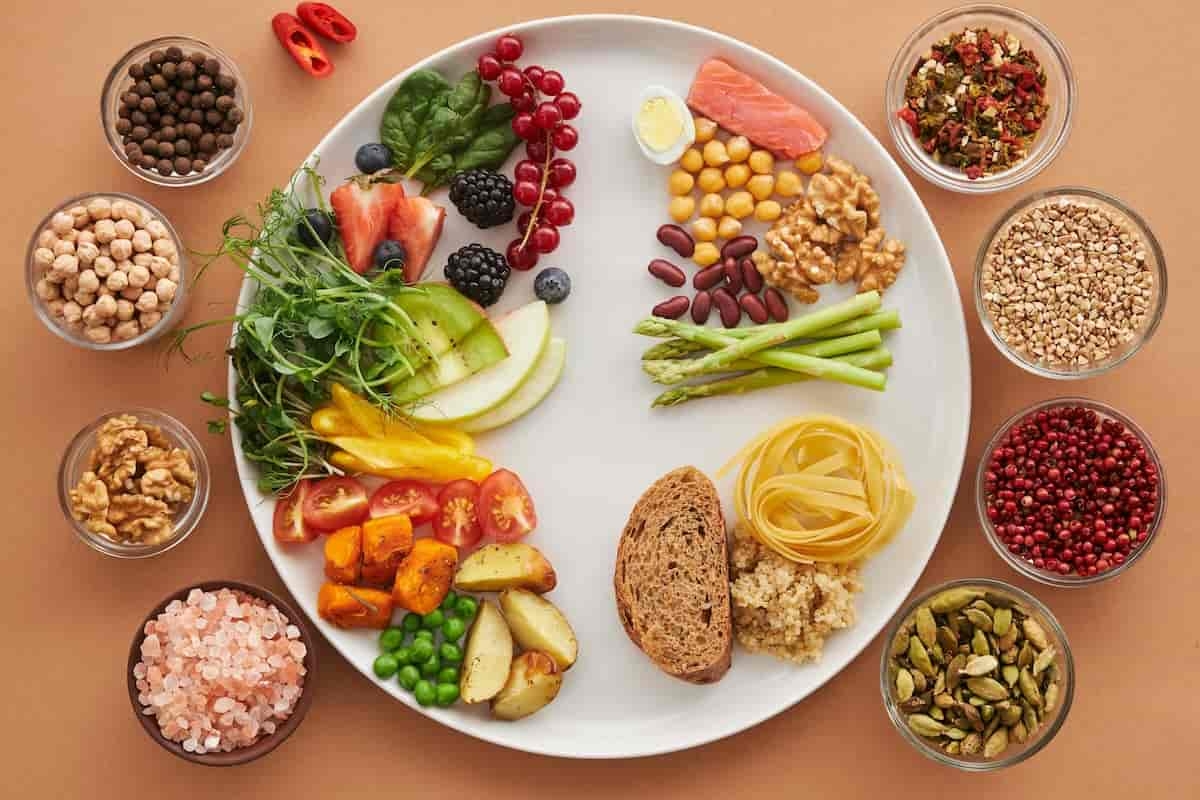
Prebiotic-rich vegetables and grains act like fertilizer, while fermented foods deliver live microbes that refresh your gut “ecosystem.” Together, they create a natural foundation for gut resilience.
Prebiotic foods:
- Garlic
- Onions
- Oats
- Asparagus
- Leeks
- Bran
Probiotic foods:
- Yogurt (with live cultures)
- Kefir
- Kimchi
- Sauerkraut
- Miso
- Tempeh
- Kombucha
Choosing the right supplements
When diet isn’t enough, supplements can help fill the gaps. Whether it’s because of lifestyle, food preferences, or digestive challenges, many people find it easier to get consistent amounts through capsules or powders.
The key is quality: not all supplements are created equal.
- Look for strain-level details. A label that just says Lactobacillus isn’t enough. You need the specific strain (e.g. Lactobacillus rhamnosus GG).
- Pairing matters. A good synbiotic lists both its strains and prebiotic fibers, ideally ones studied together.
- Start low, go slow. Begin with small doses (e.g. 1–5 g/day prebiotic fiber, modest CFU counts for probiotics) to minimize gas or bloating.
— Dr. Dimitar Marinov, MD, RDN, PhDCombining prebiotics and probiotics—often referred to as synbiotics—can provide synergistic support for gut and overall health. Probiotics supply beneficial microorganisms, while prebiotics nourish them and the resident microbiota, leading to greater production of short-chain fatty acids that strengthen the gut lining, regulate immunity, and support metabolic balance.
Tips for timing and consistency
Even the best formula won’t help if it sits in the bottle. Timing and consistency are what make probiotics and prebiotics effective. While the “perfect” time of day isn’t critical, how you take them can make a difference in survival and comfort.
- Probiotics survive better when taken with or shortly before a meal — especially if the meal contains proteins and buffers, which protect them from stomach acid.
- Prebiotics are flexible; timing is less important.
- Consistency wins. The best time is the one you’ll remember daily.

Get your personalized vitamin recommendations in less than 3 minutes.
Get your personalized vitamin recommendations in less than 3 minutes.
Are prebiotics and probiotics safe?
Most people tolerate prebiotic + probiotic combinations well, but some may experience mild bloating or gas, especially at first.
Use extra caution if you have:
- A weakened immune system
- Severe illness or recent surgery
- Active gut conditions (like SIBO or IBD flares)
Always consult a healthcare professional if you fall into one of these categories.
Frequently asked questions (FAQ)
Here are some of the most frequently asked questions about prebiotics and probiotics.
No. Most are transient, meaning they pass through and interact with your microbiome during their “visit.” That’s enough to produce benefits, but only if you take them consistently.
Probiotics are sensitive. Heat, moisture, and shelf conditions can reduce the number of live organisms. Some are enteric-coated or freeze-dried to help with survival.
Prebiotics (fibers) are generally much more stable, but processing (e.g. high heat, refining) can reduce natural fiber content in foods.
Certain medications can interfere. For example, antibiotics kill many bacteria (including probiotics), so timing matters.
Other drugs (like immunosuppressants, proton pump inhibitors) may alter gut pH or reduce immune response, affecting probiotic survival or prebiotic fermentation. If you’re on medication, check with your healthcare professional.
Postbiotics are the byproducts of bacterial activity (metabolites, dead bacterial cells, SCFAs) that can themselves have health effects.
They matter because even if probiotics don’t permanently colonize your gut, their metabolic products (postbiotics) do useful work. Some synbiotic formulations are designed to optimize postbiotic production.
Yes. Studies show that taking probiotics with prebiotics (or as synbiotics) helps restore the balance of gut bacteria after antibiotics, reducing antibiotic-associated diarrhea, and may help your microbiome bounce back faster.
Yes, children may respond differently. For example, synbiotics are often studied in pediatric populations for preventing infections or gut issues (e.g. in infants with colic, in children after antibiotics).
Their gut microbiomes and resilience differ from adults, so dosage, strain choice, and prebiotic type may need adjustment.
Emerging research suggests yes. There is some evidence that synbiotics may influence mood (gut-brain axis), skin health (via reducing inflammation or by modulating immune response), and possibly metabolic markers.
Though these effects are promising, they are less certain and may vary depending on strain, dosage, and individual differences.
No. Most are transient, meaning they pass through and interact with your microbiome during their “visit.” That’s enough to produce benefits, but only if you take them consistently.
Yes. Studies show that taking probiotics with prebiotics (or as synbiotics) helps restore the balance of gut bacteria after antibiotics, reducing antibiotic-associated diarrhea, and may help your microbiome bounce back faster.
Probiotics are sensitive. Heat, moisture, and shelf conditions can reduce the number of live organisms. Some are enteric-coated or freeze-dried to help with survival.
Prebiotics (fibers) are generally much more stable, but processing (e.g. high heat, refining) can reduce natural fiber content in foods.
Yes, children may respond differently. For example, synbiotics are often studied in pediatric populations for preventing infections or gut issues (e.g. in infants with colic, in children after antibiotics).
Their gut microbiomes and resilience differ from adults, so dosage, strain choice, and prebiotic type may need adjustment.
Certain medications can interfere. For example, antibiotics kill many bacteria (including probiotics), so timing matters.
Other drugs (like immunosuppressants, proton pump inhibitors) may alter gut pH or reduce immune response, affecting probiotic survival or prebiotic fermentation. If you’re on medication, check with your healthcare professional.
Emerging research suggests yes. There is some evidence that synbiotics may influence mood (gut-brain axis), skin health (via reducing inflammation or by modulating immune response), and possibly metabolic markers.
Though these effects are promising, they are less certain and may vary depending on strain, dosage, and individual differences.
Postbiotics are the byproducts of bacterial activity (metabolites, dead bacterial cells, SCFAs) that can themselves have health effects.
They matter because even if probiotics don’t permanently colonize your gut, their metabolic products (postbiotics) do useful work. Some synbiotic formulations are designed to optimize postbiotic production.
Final thoughts
Pairing prebiotics and probiotics isn’t about doubling down; it’s about leveling up. When thoughtfully combined, they can support digestion, strengthen your gut barrier, and even ripple benefits out to immunity.
Think of your gut like a garden: probiotics are the seeds, prebiotics are the fertilizer. You need both for thriving growth. Start with food, add supplements if needed, and most importantly, stay consistent.
Curious what combination might be right for you? Take our free health quiz to explore personalized supplement options designed for your unique gut and whole-body health.
Sources and references
Editor
Derick Rodriguez
Derick Rodriguez focuses on editing health and wellness-related content. With over half a decade of experience in the digital realm, Derick has developed a unique skill set that bridges the gap between complex health concepts and accessible, user-friendly communication. His approach is deeply rooted in leveraging personal experiences and insights to illuminate the nuances of health and wellness topics, making them more approachable and empowering readers with knowledge and confidence.
Fact checker

Dr. Dimitar Marinov
Dr. Marinov has years of experience in scientific research and preventive and clinical medicine. His publications in peer-reviewed journals are on nutritional status, physical activity, and musculoskeletal disorders among adolescents.
At VitaRx, we're not just passionate about our work — we take immense pride in it. Our dedicated team of writers diligently follows strict editorial standards, ensuring that every piece of content we publish is accurate, current, and highly valuable. We don't just strive for quality; we aim for excellence.
Related posts
While you're at it, here are some other relevant articles you might be interested in.


Get your personalized vitamin recommendations in less than
5 minutes.
Get your personalized vitamin recommendations in less than
5 minutes.