
Last update: May 31, 2025
8 minute read
Why Do I Poop So Much In The Morning? Digestive Health Tips
Explore the science behind your morning routine and learn how diet, lifestyle, and gut health influence your digestive system. Find out why you poop so much in the morning and discover tips for a healthier, more balanced start to your day.

By Stephanie Wright, RN, BSN
Edited by Dr. Jacquie Leone, NMD, HN
Have you ever woken up and wondered, "Why do I poop every morning when I wake up"? You’re not alone. Many of us notice our bodies following a set routine and even ask, "Why do we poop in the morning?" as part of our daily lives. In this post, we’ll expand on the science behind our digestive system and provide new insights that help you understand the signals your body sends daily.
Key takeaways
- Restorative sleep is important for digestive health and morning poop regularity
- Increasing water and fiber intake can improve bowel movement consistency
- Regular exercise and routines can stimulate regular bowel movements
Why do you poop every morning?
It starts with your body's natural rhythms and the hard work of your digestive system during the night. When you're asleep, your colon and intestines switch from active digestion to recovery and preparation mode.
Your digestive system is a workaholic; it uses this time to break down any remaining food, repair tissue, and support the growth of beneficial gut bacteria.
When you wake up, your colon starts contracting more strongly than when you're asleep. This strong activity lasts for about an hour, pushing the stuff in your colon toward the rectum, and that's when you know a trip to the bathroom is on the way.
It's fascinating how morning routines can stimulate this process even more. Things like stretching or drinking coffee essentially put your colon in 'parkour mode' and lead to that all-too-familiar urge.
Your body works on its schedule, but what you do can affect it. Eating a lot before bedtime or feeling stressed can disrupt the natural cycle.
VitaRx Tip
This shows that the way you live can affect morning bowel movements.
Making small changes to your evening habits can greatly influence the ease of your morning routine. Here's a look at how maintaining a balanced digestive system contributes to this process:
- Avoid big meals before bedtime: Lighten the load on your digestive system to support recovery and prepare for the morning.
- Establish a consistent routine: Regular meal times, exercise, and sleep schedules can help regulate your digestive system.
- Hydrate and increase fiber intake: Water and fiber are essential for softening stool and promoting regular bowel movements.
How gut and digestion influence your sleep
The intricate relationship between your digestive system and the sleep cycle can’t be overstated. Eating large meals late into the evening forces your body to digest food instead of rest.
Eating too close to bedtime disrupts your sleep and can give you stomach problems like indigestion or heartburn. To help your stomach and get good sleep, ensure you eat your last meal at least 3 hours before you go to bed.

What to eat (and avoid) for a healthy gut
Your food choices play a crucial role in determining "Why do I have to poop every morning?" A balanced diet can set the stage for a smooth, regular digestive process.
Consider the following dietary tips:
- High-fiber foods: Include fruits, vegetables, and whole grains in your meals. Fiber not only supports digestion but also helps maintain a consistent bowel movement pattern.
- Hydration: Drinking enough water is essential. Adequate hydration softens stool and promotes regularity, ensuring that your body functions optimally throughout the day.
- Caffeine and trigger foods: While a morning cup of coffee can stimulate your colon, be mindful of its impact if you experience an overly urgent response. Additionally, some processed foods, dairy, or spicy meals might disrupt your digestive rhythm.
- Balanced eating habits: Try to maintain regular meal times and avoid heavy meals close to bedtime to support your digestive system.
Probiotics support your gut health
Adding probiotics to your diet can promote a balanced gut flora, supporting digestion and sleep quality.
Factors affecting morning bowel movements
Feeling stressed, eating late at night, and having inconsistent habits can mess up your morning bathroom routine. But if you pay attention to what you do and eat, you can make things better.
Simple practices and changes in your diet can help you poop regularly and keep your digestive system healthy. Adaptogens might also help with supporting stress levels, indirectly supporting digestive regularity.
Health made easy: your go-to resource for essential vitamins and supplements

Medical conditions that can affect your bowel movements
Understanding your body’s signals is key, especially when considering questions like "Why do I poop so much in the morning". While a regular routine is often normal, certain medical conditions can cause noticeable changes in your bowel habits.
Here are some areas to consider:
- Irritable Bowel Syndrome (IBS): IBS can lead to either diarrhea or constipation, along with abdominal pain and bloating. If your bowel movements seem unusually frequent or inconsistent, IBS might be a contributing factor.
- Inflammatory Bowel Diseases (IBD): Conditions like Crohn’s disease or ulcerative colitis cause chronic inflammation, which can significantly alter your normal routine.
- Food intolerances & autoimmune conditions: Lactose intolerance or celiac disease may trigger more frequent or urgent bowel movements as your body reacts to certain foods.
- When to seek help: If you experience persistent changes—especially accompanied by pain, blood, or fever—it’s wise to consult with a healthcare professional.
Improving gut health for better mornings
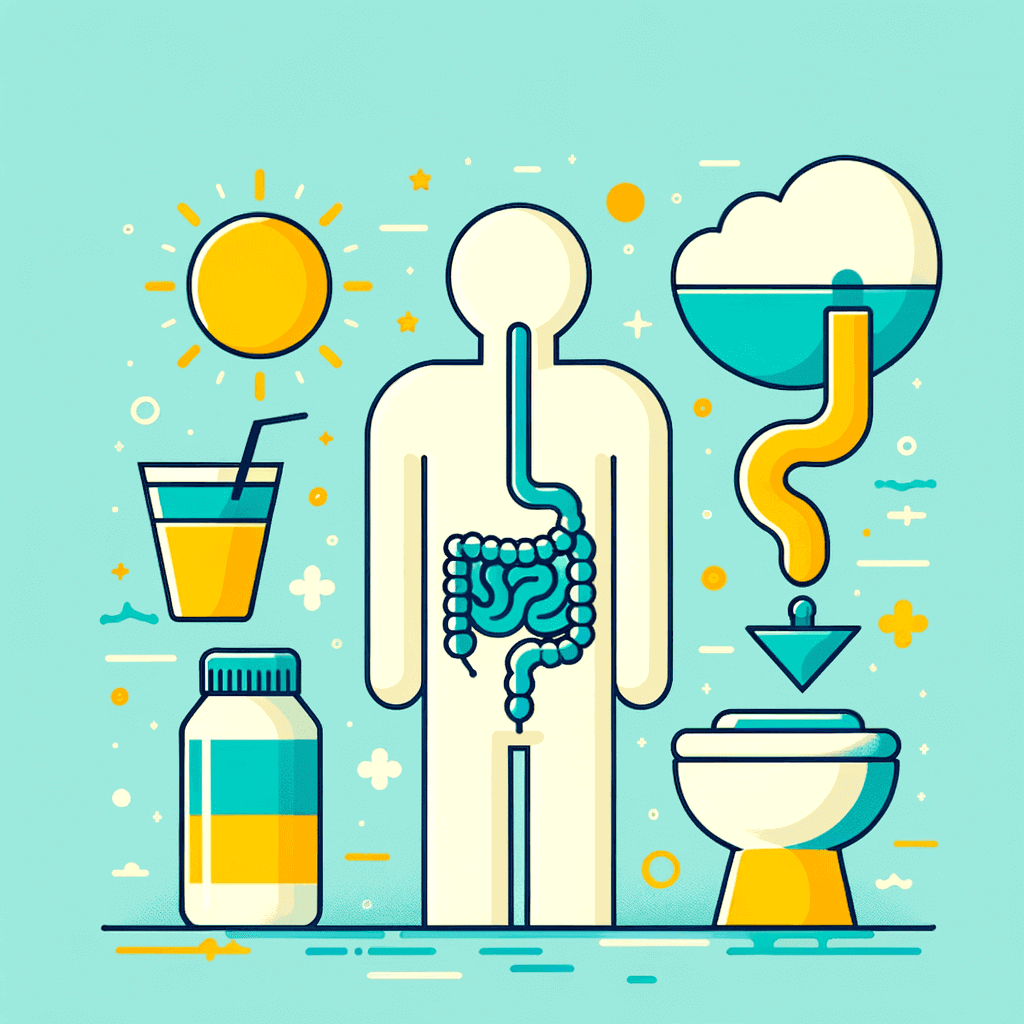
Supporting your gut health is essential for a good start to your day. Eating a balanced, fiber-rich diet, staying hydrated, and maintaining a consistent routine can support regular bowel movements. Adding ashwagandha for stress reduction and vitamin B12 for energy metabolism may give you more support for your digestive health.
Lifestyle tips for a healthier gut
Beyond diet and medical conditions, every day habits can make a difference. Learning the benefits of pooping in the morning might reveal more about your overall health, while lifestyle changes can answer the question, "Why do I always have to poop in the morning" for some people.
Consider these actionable strategies:
- Stress management: Incorporate mindfulness practices, meditation, or gentle exercise into your daily routine. Reducing stress can help maintain a balanced gut flora and promote a smoother digestive process.
- Probiotics for gut health: Adding probiotic-rich foods or supplements to your diet can enhance your gut microbiome, leading to improved digestion and regular bowel movements.
- Regular sleep & exercise: A consistent sleep schedule and regular physical activity are key. Quality sleep helps regulate bodily functions, and exercise stimulates intestinal muscle contractions, both contributing to a healthier gut.
Frequently asked questions (FAQ)
Here are some of the most frequently asked questions about pooping in the morning.
How often you go to the bathroom can be different for each person. Some people go multiple times a day, while others only go a few times a week. The time it takes food to move through your GI tract and create a bowel movement is called “gut transit” time.
If your poop looks the same all the time and you don't feel any pain, then how often you go is probably normal. If you want to know what makes a poop healthy, reading more about digestive health can help you understand better.
A healthy stool is generally smooth and easy to pass. Variations in texture and consistency might mean you need to eat better or drink more water. Understanding the importance of hydration and nutrient absorption can be important in achieving regular and healthy bowel movements.
Drinking enough water is crucial for good digestion. It helps soften stools, making them easier to pass and promote regular bowel movements in the morning. On the contrary, not drinking enough water can lead to harder stools and constipation, disrupting your digestive system's usual functions.
Stress greatly affects your body, including your digestive health. It can make your bowel movements irregular by messing with how your gut works and the balance of bacteria in there.
When you're super stressed, it can mess up your body's natural timing, causing constipation or diarrhea, even changing when you usually poop in the morning. Doing things like mindfulness, meditation, and exercise can help you handle stress better and keep your digestion on track, making you feel better overall.
Bowel movement frequency varies from person to person. For some, pooping five times in the morning may be normal, especially if their digestive system is highly active or if they consume a fiber-rich diet and plenty of fluids.
However, if this frequency is new, accompanied by changes in stool consistency, discomfort, or other symptoms like abdominal pain or diarrhea, it may be worth consulting a healthcare professional to rule out underlying issues.
It's okay if you don't poop every morning; many people are like that. The important thing is to have a regular schedule and not feel any discomfort. If you want to poop in the morning but it's not happening, you can try changing your diet, drinking more water, or adjusting your daily routine to help your digestive system get back on track.
Yes, exercise can greatly affect your digestive health and the timing of your bowel movements. Regular physical activity helps strengthen the muscles in the digestive tract, improving the efficiency of bowel movements.
People who consistently exercise usually report more regular and predictable bowel patterns, including morning movements. Making it a habit to be active every day can make your bathroom habits more regular and predictable, especially in the morning.
Feeling the need to poop again shortly after a bowel movement can occur if your colon hasn’t fully emptied during the first attempt. The colon might continue its contractions to push out any remaining waste.
Additionally, if your diet is high in fiber or if your body is particularly active in the morning, you might experience multiple urges as your digestive system works efficiently. If this happens frequently and causes concern, consider tracking your diet and hydration habits or discussing it with a healthcare provider to ensure your digestive system is functioning optimally.
How often you go to the bathroom can be different for each person. Some people go multiple times a day, while others only go a few times a week. The time it takes food to move through your GI tract and create a bowel movement is called “gut transit” time.
If your poop looks the same all the time and you don't feel any pain, then how often you go is probably normal. If you want to know what makes a poop healthy, reading more about digestive health can help you understand better.
Bowel movement frequency varies from person to person. For some, pooping five times in the morning may be normal, especially if their digestive system is highly active or if they consume a fiber-rich diet and plenty of fluids.
However, if this frequency is new, accompanied by changes in stool consistency, discomfort, or other symptoms like abdominal pain or diarrhea, it may be worth consulting a healthcare professional to rule out underlying issues.
A healthy stool is generally smooth and easy to pass. Variations in texture and consistency might mean you need to eat better or drink more water. Understanding the importance of hydration and nutrient absorption can be important in achieving regular and healthy bowel movements.
It's okay if you don't poop every morning; many people are like that. The important thing is to have a regular schedule and not feel any discomfort. If you want to poop in the morning but it's not happening, you can try changing your diet, drinking more water, or adjusting your daily routine to help your digestive system get back on track.
Drinking enough water is crucial for good digestion. It helps soften stools, making them easier to pass and promote regular bowel movements in the morning. On the contrary, not drinking enough water can lead to harder stools and constipation, disrupting your digestive system's usual functions.
Yes, exercise can greatly affect your digestive health and the timing of your bowel movements. Regular physical activity helps strengthen the muscles in the digestive tract, improving the efficiency of bowel movements.
People who consistently exercise usually report more regular and predictable bowel patterns, including morning movements. Making it a habit to be active every day can make your bathroom habits more regular and predictable, especially in the morning.
Stress greatly affects your body, including your digestive health. It can make your bowel movements irregular by messing with how your gut works and the balance of bacteria in there.
When you're super stressed, it can mess up your body's natural timing, causing constipation or diarrhea, even changing when you usually poop in the morning. Doing things like mindfulness, meditation, and exercise can help you handle stress better and keep your digestion on track, making you feel better overall.
Feeling the need to poop again shortly after a bowel movement can occur if your colon hasn’t fully emptied during the first attempt. The colon might continue its contractions to push out any remaining waste.
Additionally, if your diet is high in fiber or if your body is particularly active in the morning, you might experience multiple urges as your digestive system works efficiently. If this happens frequently and causes concern, consider tracking your diet and hydration habits or discussing it with a healthcare provider to ensure your digestive system is functioning optimally.
Final thoughts
By exploring and understanding "why do I poop every morning" as part of your natural routine, you can gain valuable insights into your digestive health. Recognizing factors like diet, medical conditions, and lifestyle habits answers common questions like "Why do I poop in the morning?" and even "Why do I have to poop as soon as I wake up?".
Ultimately, embracing the science behind your body’s signals not only promotes health but also highlights the benefits of pooping in the morning. With these insights, you can better manage your routine and optimize your overall well-being. Discover more about optimizing your health with our personalized daily vitamin packs.
Sources and references
- The effect of sleep on gastrointestinal functioning in common digestive diseases - ScienceDirect
- Dietary fiber: Essential for a healthy diet - Mayo Clinic
- Common causes of constipation - Harvard Health
- Get Healthy Sleep by Eating Right on Schedule
- Probiotics: What They Are, Benefits & Side Effects
- Mindful Eating: A Review Of How The Stress-Digestion-Mindfulness Triad May Modulate And Improve Gastrointestinal And Digestive Function
Author
Stephanie Wright
Stephanie brings over 13 years of diverse nursing experience to the table, having honed her expertise in critical care, mental health, and utilization management. Her journey as a registered nurse across these various healthcare sectors underscores her adaptability and deep commitment to patient care.
Fact checker

Dr. Jacquie Leone
Dr. Leone holds a BA in Psychology, a Doctorate in Naturopathic Medicine, and board certification in holistic nutrition. In addition to practicing medicine, Dr. Leone has developed and currently teaches science and nutrition courses for a nationally accredited institution. She specializes in chronic illness, gastrointestinal dysregulation, inflammatory conditions, and mental health. Her unique approach combines the wisdom of Eastern medicine with the technology and science of Western medicine, offering an integrative approach heavily focused on functional medicine.
At VitaRx, we're not just passionate about our work — we take immense pride in it. Our dedicated team of writers diligently follows strict editorial standards, ensuring that every piece of content we publish is accurate, current, and highly valuable. We don't just strive for quality; we aim for excellence.
Related posts
While you're at it, here are some other relevant articles you might be interested in.




Get your personalized vitamin recommendations in less than
5 minutes.
Get your personalized vitamin recommendations in less than
5 minutes.