Last update: April 9, 2025
Hair, Skin & Nails: The Complete Guide
Explore the secrets of hair, skin & nail supplements with our comprehensive guide. Learn about dosage, benefits, sources, and potential side effects for optimal health and wellness.

By Stephanie Wright, RN, BSN
Edited by Dr. Dimitar Marinov, MD, RDN, PhD

Key takeaways
- Hair, skin, and nail supplements are dietary products containing a blend of vitamins, minerals, and nutrients like biotin, collagen, and vitamins A, D, and E.
- Signs of nutrient deficiencies affecting hair, skin, and nails include hair loss or thinning, brittle nails, dry and dull skin, and slow wound healing.
- Supplements offer a convenient and concentrated way to support specific needs, especially for those with dietary restrictions, deficiencies, or increased demands.
- Excessive consumption of hair, skin, and nail supplements can lead to adverse effects such as allergic reactions, vitamin toxicity, and miscellaneous issues.
What are hair, skin & nail supplements?
Hair, skin, and nail supplements are specially formulated dietary products that contain a blend of vitamins, minerals, and other nutrients believed to support the health, strength, and appearance of hair, skin, and nails.
These supplements often include ingredients such as biotin, collagen, vitamins D, A, E, and AE, omega-3 fatty acids, and iron, which work together to promote the production of keratin, a key protein that forms the structural foundation of these tissues [1].
Supplements promote hair growth and resilience
The human body sheds around 50 to 100 hair strands per day as part of its natural growth cycle. Hair, skin, and nail supplements can help support this natural process by providing the necessary nutrients for optimal growth and regeneration. These supplements work to nourish the hair follicles, skin cells, and nail beds to promote stronger, healthier, and more resilient tissues.
While a balanced diet can provide many of these nutrients, hair, skin, and nail supplements offer a convenient and concentrated way to support the specific needs of these areas, especially for those with dietary restrictions, nutrient deficiencies, or increased demands.
Can your body produce the vitamins found in hair, skin & nail supplements?
For the most part, No. The body cannot naturally produce all the vitamins found in hair, skin, and nail supplements. Vitamins A and E, for instance, must be obtained from the diet or supplements because the body cannot synthesize them naturally [7].
Which nutrient is commonly found in hair, skin, and nail supplements?
Hair, skin, and nail supplements are dietary supplements that contain nutrients believed to support the health and appearance of hair, skin, and nails. These supplements typically include:
- Biotin (Vitamin B7): Helps in the metabolism of fatty acids, glucose, and amino acids, which are essential for healthy hair, skin, and nails [8].
- Vitamin E: Another antioxidant that protects skin cells from oxidative damage caused by free radicals.
- Vitamin A: Supports skin cell turnover and helps maintain skin moisture.
- Vitamin D: Plays a role in skin cell growth, repair, and metabolism. It also helps maintain the skin's immune system and may have an anti-inflammatory effect on the skin.
- Collagen: A protein that provides structure to skin, hair, and nails. Collagen supplements are often derived from animal sources or plant-based ingredients.
- Omega-3 Fatty Acids: Help maintain skin hydration and may reduce inflammation.
Some supplement formulations may contain more ingredients, while others may contain fewer. The most important thing is that they contain at least biotin, vitamin E, and vitamin A.
How do hair, skin & nail supplements work in your body?
- Hair, skin, and nail supplements are typically taken orally in the form of tablets, capsules, or gummies.
- In the stomach, the supplement is broken down by stomach acid and digestive enzymes, releasing the nutrients.
- The nutrients then move into the small intestine, where further digestion occurs, and the majority of absorption takes place.
- Biotin (Vitamin B7) is absorbed in the small intestine through a sodium-dependent multivitamin transporter (SMVT).
- Vitamins A and E are fat-soluble vitamins absorbed along with dietary fats in the small intestine. They are incorporated into chylomicrons and transported through the lymphatic system before entering the bloodstream.
- Collagen peptides are broken down into smaller amino acids and peptides in the stomach and small intestine, which are then absorbed into the bloodstream.
- Once absorbed, these nutrients are distributed throughout the body to various tissues, including the hair, skin, and nails.
- The nutrients are utilized in various metabolic processes, such as collagen synthesis, keratin production, and antioxidant defense mechanisms, which contribute to the health and appearance of hair, skin, and nails.
- Water-soluble vitamins, such as biotin, are excreted in the urine when consumed in excess.
- Fat-soluble vitamins, like vitamins A and E, are stored in the liver and adipose tissue. Excess amounts are excreted through the feces.
- Collagen peptides and amino acids that are not utilized by the body are metabolized and excreted through the kidneys.
- Omega-3 fatty acids are incorporated into cell membranes and can be stored in adipose tissue. Excess amounts are metabolized and excreted through the skin, kidneys, and feces.
What are some benefits of hair, skin & nail supplements?
Hair, skin & nail supplements contain various properties that may contribute to overall well-being.
Supports healthy hair growth
The collection of vitamins found in hair skin and nail supplements contributes to improved hair growth, thickness, and strength. They contain key nutrients like biotin, collagen, and vitamins essential for maintaining healthy hair follicles and promoting optimal hair health [2].
Promotes radiant skin
These supplements can help enhance skin hydration, reduce wrinkles, and improve overall complexion. Ingredients like collagen, vitamins A, C, and E, and omega-3 fatty acids support skin elasticity, repair, and protection against environmental damage [3].
Strengthens and fortified nails
These supplements also contain many nutrients that support the production of strong nails, prevent splitting, and promote faster nail growth, like vitamins A, E, and D.
What are some signs of hair, skin & nail nutrient deficiency?
Signs of deficiency in hair, skin, and nails can vary depending on the specific nutrient lacking, but common indicators include:
- Hair Loss or Thinning: Deficiencies in nutrients like biotin, vitamins A, C, D, and E, as well as iron and zinc, can lead to hair loss or thinning [4].
- Brittle Nails: Insufficient intake of nutrients such as biotin, iron, and protein may result in brittle nails that are prone to splitting and breaking [5].
- Dry, Dull Skin: Lack of hydration and essential nutrients like vitamins A, C, E, and omega-3 fatty acids can cause dry, dull skin with rough patches and a lackluster complexion.
- Slow Wound Healing: Deficiencies in vitamins C and E, zinc, and protein can impair the body's ability to repair and regenerate skin tissues, leading to slow wound healing and an increased risk of infections [6].
Never self-diagnose
If you feel you may have a deficiency or are concerned or curious about taking this supplement, talk to a doctor or healthcare professional. They can accurately diagnose and recommend the appropriate treatment plan for your specific needs.
Delivery methods
Hair, skin & nail supplements come in various delivery methods, each offering its own set of benefits and ways of consumption. Here's a brief overview of the different delivery methods:
Capsules are a convenient and easy-to-swallow delivery method for supplements that provide a pre-measured dose. They are particularly beneficial for individuals who may not enjoy the taste of the supplement in its natural form or when taken as a powder or liquid. Capsules are also portable and discreet, making them easy to take while traveling or on the go.
One of the main advantages of capsules is that they eliminate the need for measuring doses, which can be time-consuming and may lead to inconsistencies in dosage. The pre-measured nature of capsules ensures that the individual takes the same amount each time, making it easier to monitor and maintain a consistent supplementation routine.
Tablets are a convenient and easy-to-swallow form of supplement that offers a pre-measured dose. They eliminate the need for measuring, making them ideal for those who find measuring doses inconvenient. Tablets are also portable and discreet, allowing for easy consumption on the go.
One of the main benefits of tablets is their ease of use. They can be quickly swallowed with water, making them a simple and efficient way to incorporate supplements into a daily routine.
Soft gels are a type of capsule that contains a liquid form of the vitamin or supplement. They are easy to swallow and provide a pre-measured dose. Soft gels are known for their fast absorption rate, as the liquid content is quickly released and absorbed by the body.
This delivery method is particularly beneficial for individuals who have difficulty absorbing nutrients from traditional pills. Soft gels are also easy to digest and gentle on the stomach, making them a good choice for those with sensitive digestive systems. However, it's important to store soft gels properly, as they are more susceptible to degradation from heat and light compared to other delivery methods.
Chewable supplements are a convenient and enjoyable delivery method, particularly for those who have difficulty swallowing pills. They come in various flavors, making them more palatable and easier to consume. Chewables are often formulated to provide a pre-measured dose, ensuring consistent intake.
Chewable supplements are a good option for children or adults who prefer a tasty alternative to traditional pills. However, some chewable supplements may contain added sugars or artificial flavors, so it's essential to read the ingredient list carefully and choose a reputable brand.
Powdered vitamins and supplements offer versatility in consumption. They can be easily mixed into various beverages or foods, such as smoothies, juices, or yogurt, allowing for customization based on individual taste preferences. Powders are often more economical compared to other delivery methods, as they typically provide a larger number of servings per container.
They also allow for flexible dosing, enabling individuals to adjust the amount consumed according to their needs or as directed by a healthcare professional.
However, measuring the correct dose of powdered supplements requires the use of a scoop or scale, which may be less convenient compared to pre-measured options like tablets or capsules.
Liquid extracts are a concentrated form of a supplement that offer fast absorption and flexible dosing. The liquid form allows for quick absorption into the bloodstream, potentially leading to faster effects compared to capsules or tablets. The dropper enables precise dosage adjustments, making it easier to tailor the amount consumed to individual needs or as directed by a healthcare professional.
Liquid extracts may also provide enhanced bioavailability, as some may contain additional compounds or solvents that improve the absorption and utilization of the active ingredients in the body. However, they may have a strong taste that some individuals find unpleasant, and they require careful attention to dosage to avoid consuming too much of the supplement.
Proper storage is essential to maintain the quality and potency of liquid extracts, as exposure to light, heat, or air can degrade the active ingredients over time.
Choose a method that fits your routine
Do not overlook the delivery method. Hair, skin & nail supplements come in tablets, capsules, soft gel, chewable, powders, and liquid forms—choose the one that best fits your daily routine to stay consistent.
What to look for in hair, skin & nail supplements
When selecting a supplement, several key factors must be considered to ensure you choose a high-quality product that effectively supports your health goals and overall well-being.
Dosage and potency
The dosage of nutrients found in each supplement manufacturer varies, so it's important to choose one that aligns with your specific needs. This includes considering your age, gender, and health status, like pregnancy or existing deficiencies. The hair, skin & nails supplement formulation can impact its potency and bioavailability, which affects how effectively your body can absorb and use it.
Quantity and delivery method
The delivery method is crucial. Hair, skin & nail supplements come in various forms, including tablets, capsules, powders, chewables, and liquid forms. Your choice may depend on factors like ease of swallowing, convenience for traveling, or personal preference regarding taste and texture. Also, evaluate the quantity to determine how long it will last based on your daily requirements.
Quality and manufacturing
Quality is paramount when selecting hair, skin & nail supplements. Look for products manufactured under strict quality control guidelines and those that have undergone third-party testing for purity and label accuracy. Certifications from recognized bodies can be a reliable indicator of a high-quality product. Additionally, consider the manufacturer's reputation and transparency in their production processes.


How and when should you take hair, skin & nail supplements for maximum absorption?
To get the most out of your hair, skin & nail supplement, it's crucial to consider the timing and method of consumption. The following dos and don'ts offer guidance on optimizing absorption, efficiently supporting your health and wellness, and minimizing potential discomfort.
Do’s

Follow recommended dosage instructions
Maintain a balanced diet and healthy lifestyle
Don’ts

Don't expect instant or dramatic results
Don't rely solely on supplements for healthy hair, skin, and nails
Don't continue if you experience adverse reactions or side effects
Who should take hair, skin & nail supplements?
Taking hair, skin & nail supplements has its potential benefits, but it may not be for everyone.
- Individuals with thinning hair, brittle nails, or dry, dull skin: Those experiencing signs of poor hair, skin, or nail health may find that supplements help to improve the strength, texture, and appearance of these tissues.
- Individuals looking to support overall hair, skin, and nail health: Even without specific deficiencies or concerns, some people may choose to take supplements as a proactive measure to maintain healthy hair, skin, and nails.
- People following restricted diets: Individuals following restricted diets, such as vegans or those with food allergies, may lack essential nutrients in their diet and can benefit from supplementation to ensure adequate intake.
- Adults with diagnosed nutrient deficiencies: Individuals who have been diagnosed with nutrient deficiencies that affect hair, skin, or nails may benefit from taking supplements to correct these deficiencies and support overall health.
- Children and adolescents: Children and adolescents should not take these supplements unless recommended by a pediatrician, as their nutrient needs differ from those of adults, and excessive intake of certain nutrients may be harmful.
- Pregnant or breastfeeding women: High doses of vitamin A (often in the form of retinol) can cause birth defects, and excessive vitamin E may negatively affect pregnancy outcomes. Omega-3 fatty acids should be taken only as recommended.
- People with pre-existing medical conditions: Individuals with pre-existing medical conditions, such as kidney or liver disease, should consult a healthcare professional before taking supplements, as some ingredients may interact with their condition or medications.
Recommended dosage
Hair, skin, and nail supplements often contain a combination of various nutrients, each with its own recommended daily allowance (RDA) or safe upper limit. As a result, it's not possible to provide a single recommended dosage for the entire supplement. The appropriate intake level depends on the specific formulation and the individual's needs.
However, here are the RDAs or common dosages for some of the key nutrients often found in hair, skin, and nail supplements.
- It is generally not recommended to give hair, skin, and nail supplements to children or infants unless specifically advised by a pediatrician or healthcare professional. These supplements are typically formulated for adults, and the nutrient requirements for children and infants are different. Children and infants should be able to obtain the necessary nutrients for healthy hair, skin, and nails through a balanced diet appropriate for their age.
- Biotin (Vitamin B7): RDA for adults is 30 to 100 micrograms (mcg) per day.
- Vitamin C: RDA for adults is 65-90 mg, but supplements may provide up to 1,000 mg.
- Vitamin E: RDA for adults is 15 mg (22.4 IU), with supplements often providing doses up to 400 IU.
- Vitamin A: RDA for adults is 700-900 mcg RAE (2,300-3,000 IU), but supplements usually contain lower doses to avoid potential toxicity.
- Iron: RDA for adults is 8-18 mg, depending on age and sex. Supplements may provide varying doses, but it's important not to exceed the recommended amount without medical supervision.
- Zinc: RDA for adults is 8-11 mg, with supplements typically providing doses within this range.
- Biotin (Vitamin B7): Adequate intake (AI) during pregnancy is 30 mcg, and for breastfeeding women, it's 35 mcg. Most prenatal vitamins contain biotin, and it's generally considered safe during pregnancy and breastfeeding.
- Vitamin C: RDA for pregnant women is 85 mg, and for breastfeeding women, it's 120 mg. Vitamin C is generally safe during pregnancy and breastfeeding when taken in recommended doses.
- Vitamin E: RDA for pregnant and breastfeeding women is 15-19 mg. High doses of vitamin E should be avoided, as they may increase the risk of pregnancy complications.
- Vitamin A: RDA for pregnant and breastfeeding women is 770 mcg - 1,300 mcg. It's important not to exceed the recommended amount, as high doses of vitamin A can lead to birth defects.
- Iron: RDA for pregnant women is 27 mg, and for breastfeeding women, it's 9-10 mg. Iron supplementation is often recommended during pregnancy, but the dosage should be determined by a healthcare provider.
- Zinc: RDA for pregnant women is 11-12 mg, and for breastfeeding women, it's 12-13 mg. Zinc is important for fetal development, but excessive doses should be avoided.
How to optimize supplement absorption
For maximum benefit from your hair, skin, and nail supplements—and to reduce unwanted side effects—consider these evidence-based strategies. Many readers ask, "Do hair skin and nail vitamins work? A well-planned routine can help you experience the full impact of your regimen.
- Time Your Dose: If you're wondering, "What is the best time to take hair, skin and nail vitamins?" it's generally recommended to take your supplements with a balanced meal. Fat-soluble vitamins like A, D, and E are absorbed best with dietary fat. Pair your supplement with a snack containing healthy fats (like avocado or a handful of nuts) to enhance nutrient uptake.
- Create a Daily Routine: Take your supplement at the same time each day. This consistency supports stable blood nutrient levels and gradual repair of hair, skin, and nail tissues. Discover the best time to take hair skin and nail vitamins that works for your schedule.
- Avoid Absorption Inhibitors: Certain foods, like raw egg whites—containing avidin, which blocks biotin absorption—should not be eaten on the same day as your supplement. High-fiber foods immediately post-supplement may also bind to nutrients and reduce bioavailability. This is key if you are concerned about hair skin and nails vitamins side effects.
- Select the Right Form: Supplements come in various forms (tablets, capsules, soft gels, powders, and liquid extracts). Choose a type that suits your digestive needs and lifestyle.
- Prevent Duplicate Dosing: When combining products with overlapping nutrients (like biotin), you could exceed safe intake levels. If you’re curious about "What are the side effects of taking hair, skin and nails vitamins?", consult with your healthcare provider for proper guidance.
Side effects of excessive hair, skin & nail supplement consumption
While hair, skin & nail supplements are generally safe when taken within recommended limits, excessive intake can have adverse effects:
- Allergic Reactions: Rare but possible, symptoms can include skin rashes, itchiness, or even more severe reactions.
- Vitamin Toxicity: Consuming high doses of fat-soluble vitamins like vitamins A and E can lead to toxicity symptoms such as nausea, headache, and dizziness.
- Miscellaneous Effects: Overconsumption might cause skin rashes, digestive upset, problems with insulin release, and kidney problems in some cases.
Natural sources
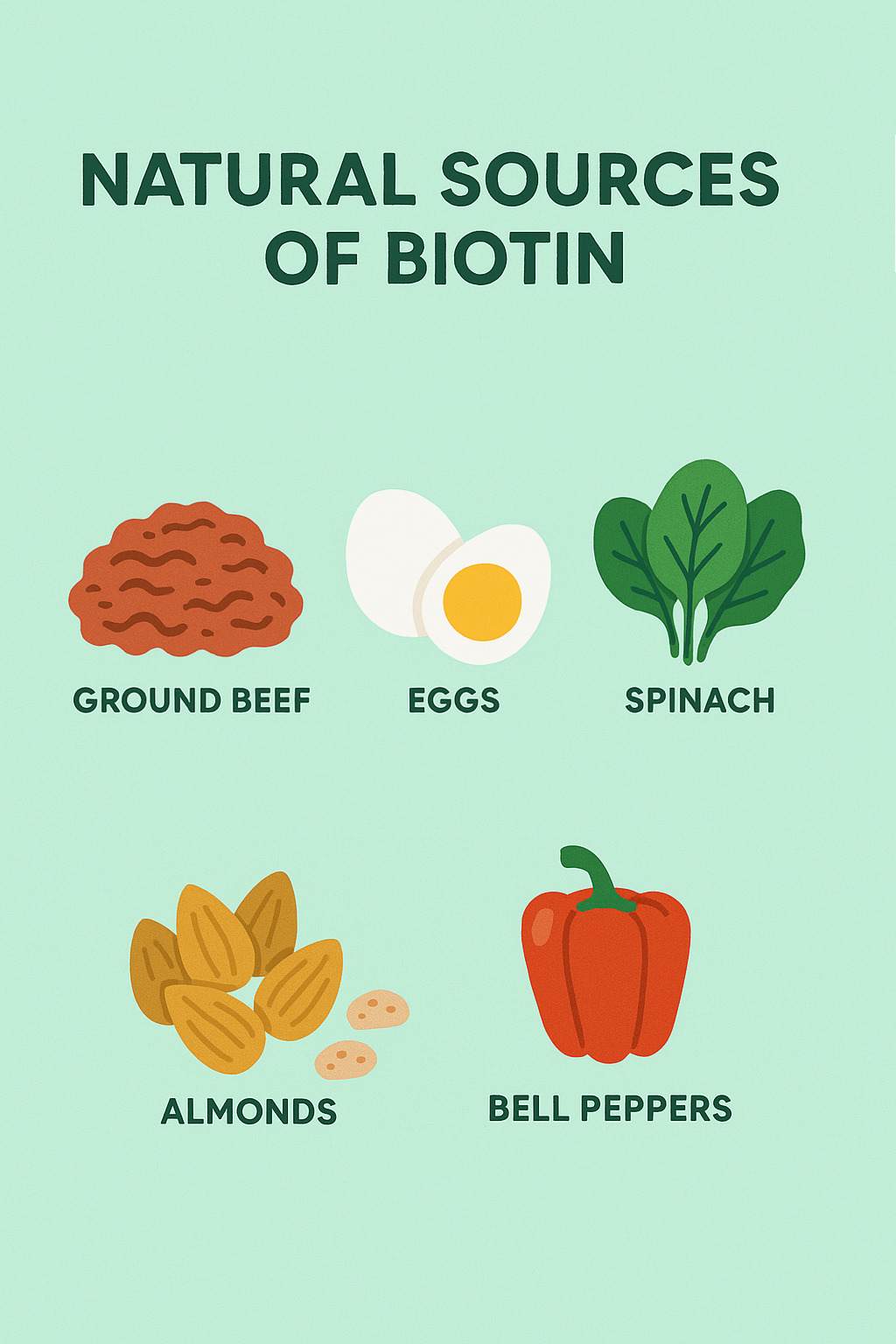
While high-quality supplements target specific deficiencies, whole foods offer a spectrum of vitamins, minerals, antioxidants, and phytonutrients that synergize for optimal results.
- Eat Biotin-Rich Foods: Instead of relying solely on supplements, include biotin-dense foods in your meals:
- Animal Options: Lean meats like beef liver, ground beef, or pork provide high biotin along with essential amino acids.
- Eggs: A great biotin source when prepared properly—avoid raw egg whites that contain avidin.
- Enjoy a Colorful Plate: A diverse mix of fruits and vegetables ensures you receive a broad spectrum of nutrients:
- Vegetables: Spinach, sweet potatoes, and bell peppers boost vitamins A, C, and E.
- Nuts and Seeds: Almonds, sunflower seeds, and walnuts offer healthy fats and antioxidants.
- Whole Grains and Legumes: Foods like quinoa, lentils, and beans contribute fiber and protein for overall balance.
- Leverage Nutrient Synergy: Dietary fiber and antioxidants in whole foods help moderate nutrient absorption, enhancing the hair skin and nails vitamins benefits and reducing digestive discomfort.
- Adopt a Holistic Diet: Supplements should complement, not replace, a balanced diet. Many ask, "Do hair and nail vitamins work when integrated with whole foods?" Smart food choices allow natural nutrients to support your targeted supplementation.
Always consult your doctor
If you're experiencing side effects, consult your healthcare provider. They may recommend a different hair, skin & nails supplement formulation or adjust your dosage. Balancing your hair, skin & nail needs with any discomfort is crucial and should not be overlooked.
Clinical updates on supplement effectiveness
A recent article from The Guardian, dated December 4, 2024, emphasizes that while many supplements are marketed for hair, skin, and nail benefits, most healthy individuals obtain their necessary nutrients from a balanced diet alone.
Experts suggest that targeted supplementation tends to be most effective for individuals with specific nutritional deficiencies, such as pregnant women or those following vegan diets.
Rather than relying on multivitamins and beauty supplements as a catch-all solution, it's more beneficial to improve overall dietary quality. Supplements should be used as a complementary tool to address identified gaps, not as a guaranteed method for enhancing external appearance.
This clinical update underlines the importance of personalized nutritional assessments and consulting healthcare providers before modifying any supplement regimen. Staying informed about these insights empowers you to make educated decisions and optimize your overall wellness.
Health made easy: your go-to resource for essential vitamins and supplements


Frequently asked questions about hair, skin & nail supplements (FAQ)
Our library of expert-authored articles covers just about every question you might have about vitamins, minerals, and supplements — along with some you might not have known you had.
Store supplements in a cool, dry place away from direct sunlight and moisture. Keep them tightly sealed in their original packaging to maintain potency and efficacy.
Hair, skin, and nail supplements are not typically associated with sleep benefits. However, maintaining overall health and wellness through proper nutrition may indirectly support better sleep quality.
While hair, skin, and nail supplements can be taken on an empty stomach, some people may experience digestive discomfort. It's generally recommended to take them with a meal to enhance absorption and minimize potential side effects.
If you stop taking these vitamins, the benefits you experienced, like improved hair thickness, skin radiance, or stronger nails, might gradually diminish over time, particularly if you were addressing a nutrient deficiency.
Without supplementation, your body will rely solely on your diet for essential nutrients. Maintaining a balanced diet rich in vitamins and minerals can help sustain some of the benefits; however, if you have an underlying deficiency, discontinuing the vitamins may eventually return your hair, skin, and nail health to baseline levels.
Hair, skin, and nail supplements are generally safe for daily use when taken as directed. However, it's advisable to follow recommended dosage guidelines and consult with a healthcare professional if unsure.
Hair, skin, and nail supplements are not intended for weight loss purposes and are unlikely to have a significant impact on body weight. Focus on a balanced diet and regular exercise for weight management.
Hair, skin, and nail supplements can be taken at any time of the day based on personal preference. Some people find it convenient to incorporate them into their morning routine, while others prefer taking them with dinner. Choose a consistent time that works best for you.
Results can vary depending on the individual’s baseline nutrient levels, overall health, and consistency in taking the vitamins. Generally, you can expect to start noticing improvements in hair, skin, and nail quality within 8 to 12 weeks of regular use. Since hair and nail growth occur over multiple cycles, patience and consistency are key to achieving lasting benefits.
Store supplements in a cool, dry place away from direct sunlight and moisture. Keep them tightly sealed in their original packaging to maintain potency and efficacy.
Hair, skin, and nail supplements are generally safe for daily use when taken as directed. However, it's advisable to follow recommended dosage guidelines and consult with a healthcare professional if unsure.
Hair, skin, and nail supplements are not typically associated with sleep benefits. However, maintaining overall health and wellness through proper nutrition may indirectly support better sleep quality.
Hair, skin, and nail supplements are not intended for weight loss purposes and are unlikely to have a significant impact on body weight. Focus on a balanced diet and regular exercise for weight management.
While hair, skin, and nail supplements can be taken on an empty stomach, some people may experience digestive discomfort. It's generally recommended to take them with a meal to enhance absorption and minimize potential side effects.
Hair, skin, and nail supplements can be taken at any time of the day based on personal preference. Some people find it convenient to incorporate them into their morning routine, while others prefer taking them with dinner. Choose a consistent time that works best for you.
If you stop taking these vitamins, the benefits you experienced, like improved hair thickness, skin radiance, or stronger nails, might gradually diminish over time, particularly if you were addressing a nutrient deficiency.
Without supplementation, your body will rely solely on your diet for essential nutrients. Maintaining a balanced diet rich in vitamins and minerals can help sustain some of the benefits; however, if you have an underlying deficiency, discontinuing the vitamins may eventually return your hair, skin, and nail health to baseline levels.
Results can vary depending on the individual’s baseline nutrient levels, overall health, and consistency in taking the vitamins. Generally, you can expect to start noticing improvements in hair, skin, and nail quality within 8 to 12 weeks of regular use. Since hair and nail growth occur over multiple cycles, patience and consistency are key to achieving lasting benefits.
Final thoughts
Integrating these expert tips into your daily routine empowers you to make smarter choices for enhancing hair, skin, and nail health. By optimizing supplement absorption and including nutrient-rich whole foods, you create a synergy that supports overall wellness and radiance.
Always consider "What are the side effects of taking hair, skin and nails vitamins?" and adjust your regimen accordingly. With careful timing—knowing the best time to take hair, skin and nail vitamins—and informed choices, you’ll find that the answer to, "Hair skin and nails vitamins, do they work?" is a "yes" when used as part of a holistic approach. Embrace a balanced lifestyle, consult healthcare professionals as needed, and let your inner beauty shine through every day.
Sources and references
- Hair-Growth-Promoting Effects of the Fish Collagen Peptide in Human Dermal Papilla Cells and C57BL/6 Mice Modulating Wnt/β-Catenin and BMP Signaling Pathways
- Efficacy and Safety of Skin Radiance Collagen on Skin and Hair Matrix: A Placebo-Controlled Clinical Trial in Healthy Human Subjects
- Bioactive Compounds for Skin Health: A Review - PMC
- An overview of the genetic aspects of hair loss and its connection with nutrition
- Unveiling Skin Manifestations: Exploring Cutaneous Signs of Malnutrition in Eating Disorders
- Vitamin C and Immune Function
- Vitamin A Update: Forms, Sources, Kinetics, Detection, Function, Deficiency, Therapeutic Use and Toxicity
- Biotin Deficiency
Author
Stephanie Wright
Stephanie brings over 13 years of diverse nursing experience to the table, having honed her expertise in critical care, mental health, and utilization management. Her journey as a registered nurse across these various healthcare sectors underscores her adaptability and deep commitment to patient care.
Fact checker

Dr. Dimitar Marinov
Dr. Marinov has years of experience in scientific research and preventive and clinical medicine. His publications in peer-reviewed journals are on nutritional status, physical activity, and musculoskeletal disorders among adolescents.
At VitaRx, we're not just passionate about our work — we take immense pride in it. Our dedicated team of writers diligently follows strict editorial standards, ensuring that every piece of content we publish is accurate, current, and highly valuable. We don't just strive for quality; we aim for excellence.
Related posts
While you're at it, here are some other relevant articles you might be interested in.

Get your personalized vitamin recommendations in less than 3 minutes.
Get your personalized vitamin recommendations in less than 3 minutes.